
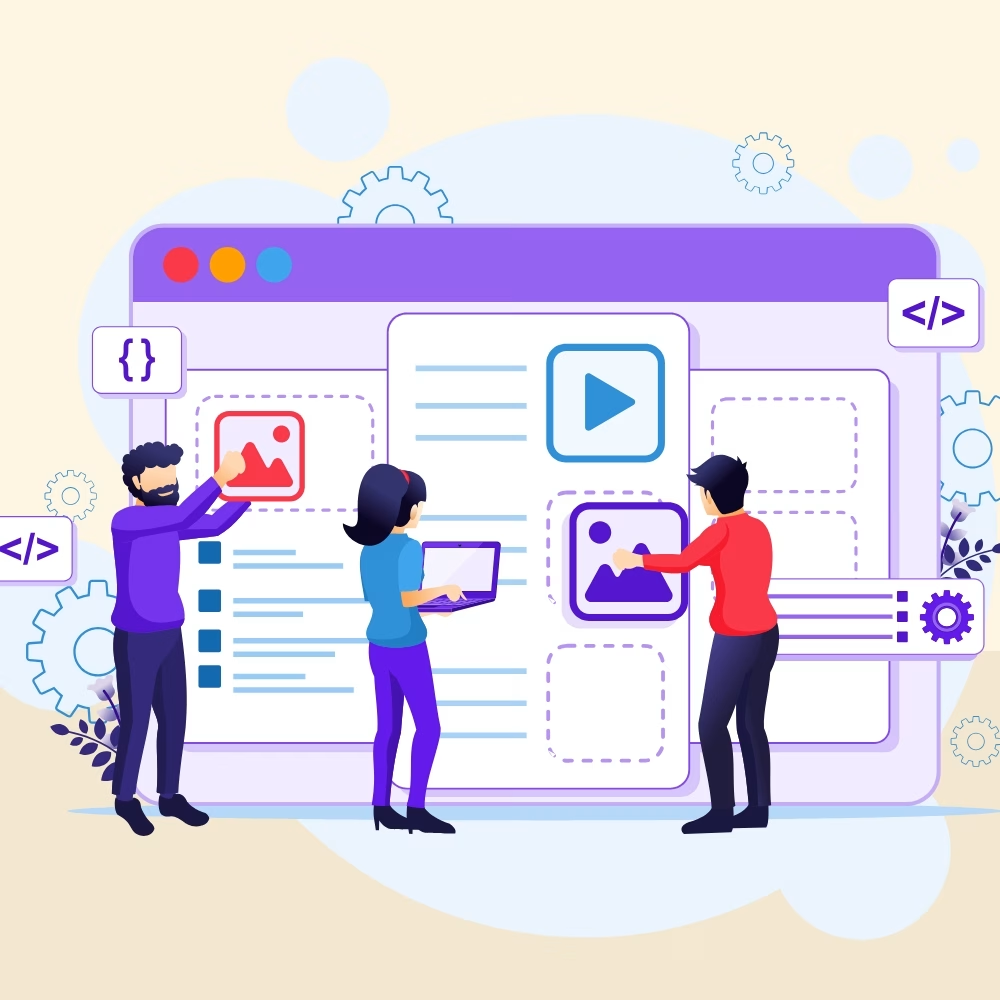

Have you ever clicked on an online ad or a promotional email and landed on a page that instantly asked you to sign up or grab a special offer? That is a landing page. Unlike the homepage of a website, which usually shows everything the site offers, the landing page of a website is focused on just one thing. It wants you to do something specific, like subscribe, buy, or download.
Now let us answer what is the landing page on a website in simple terms. A landing page is a web page designed for a single goal. It is where visitors land after clicking an ad or a campaign link. It could be an offer page, a sign-up page, or even a download page. Either way, it exists for one reason and one reason only. To get results.
Think of it like this. Your homepage is like a shopping mall with many stores. A landing page is like a pop-up shop that only sells the one thing you came looking for: less distraction, more action.
In this guide, we will break it all down. You will learn about the types of landing pages, how landing page development works, and why landing pages are important in your business strategy.
Let us jump into the different types of landing pages and see which one fits your goal best.
Types of Landing Pages
Landing pages are not one-size-fits-all. Different goals call for different types of landing pages. Let us take a look at the most common ones and what they are best used for.
Lead Generation Pages
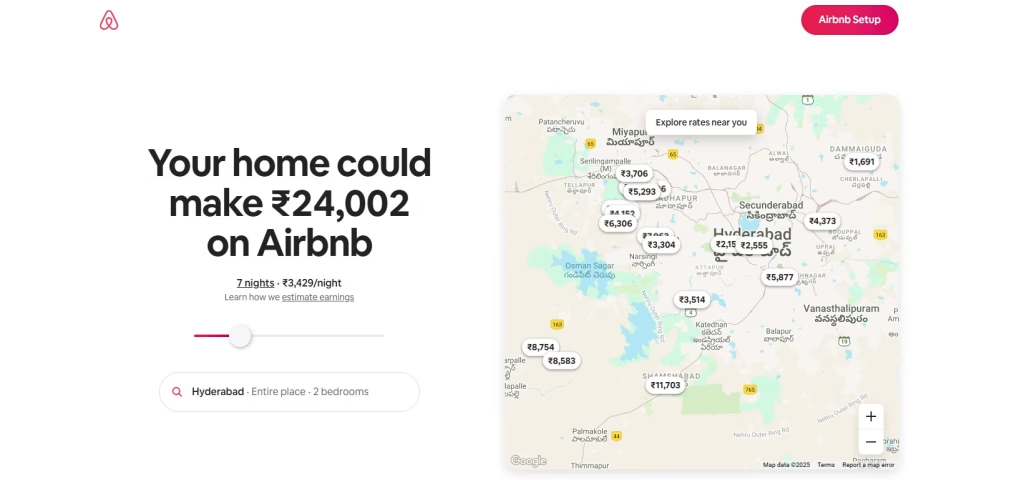
These are perfect if your goal is to collect information from your visitors. A lead generation landing page will usually ask for a name, email, or phone number. You will often see these when someone is offering a free eBook or access to a webinar. These are used in almost every business because they help build an email list.
Click Through Pages
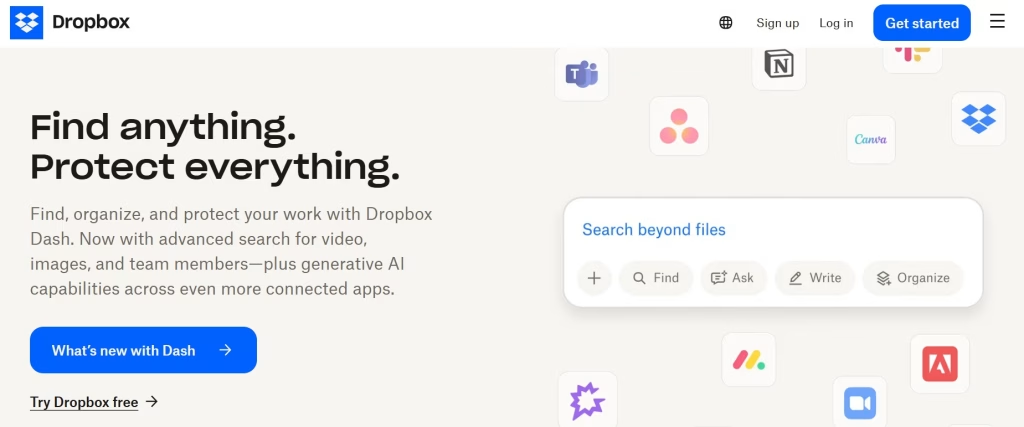
Click-through landing pages are made to warm up your visitors before sending them to a final offer. These usually give just enough information to get the visitor interested and clicking forward. You will see these often in online shopping or subscription services.
Sales Pages
Sales landing pages are built to make a sale. These include product details, testimonials, and a strong call to action. Everything is built to guide the visitor straight to the checkout.
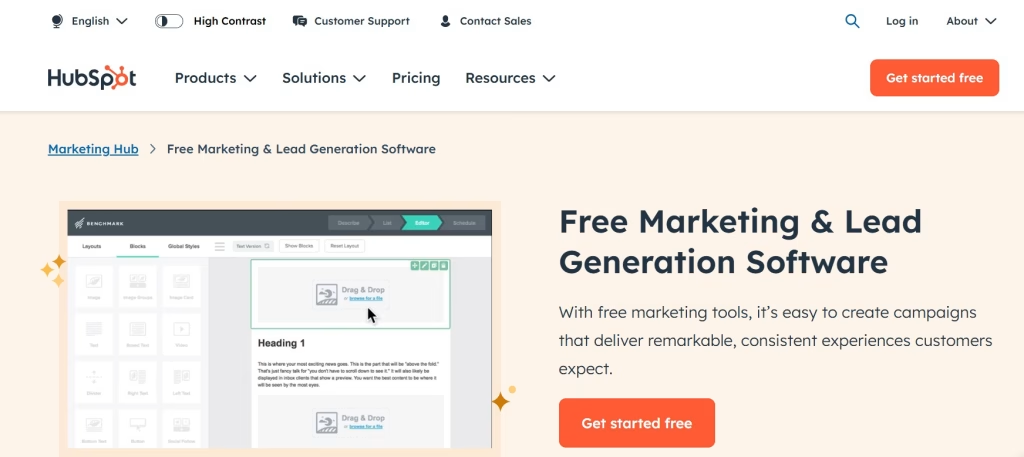
Squeeze Page
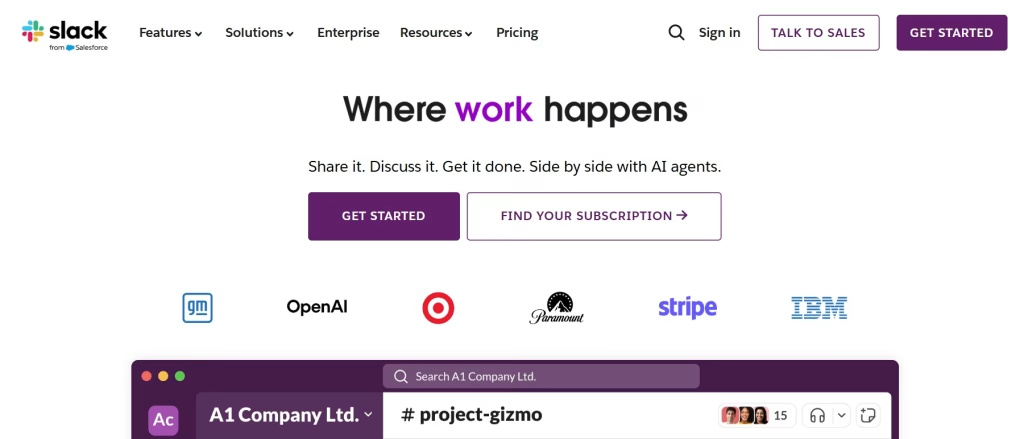
This is a very short landing page focused on collecting just one piece of information, usually an email. It squeezes a quick decision out of the visitor.
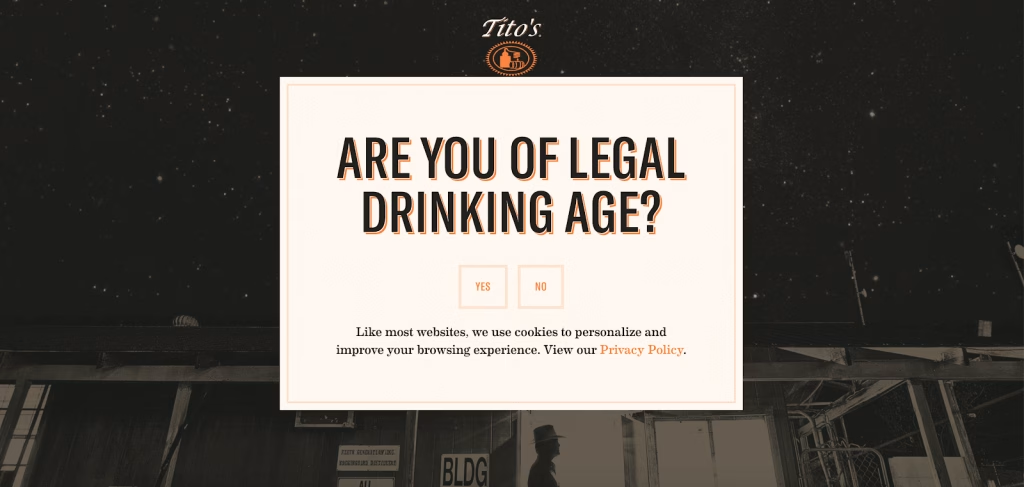
Splash Page
A splash page is often used before accessing the main site. It might promote an event, warn about age restrictions, or offer language choices. It is more of a teaser than a full landing page, but it still serves a unique purpose.
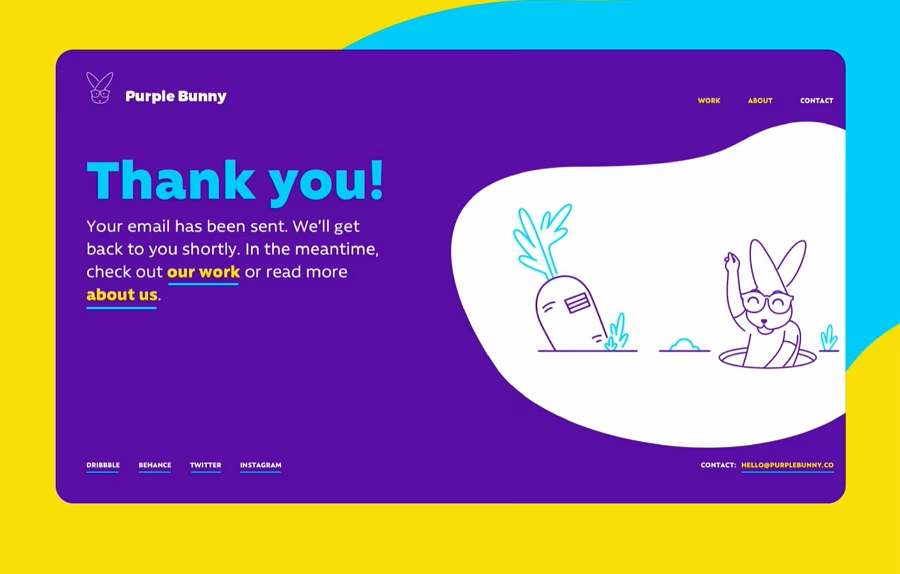
Thank You or Confirmation Page
This page comes after a visitor completes an action. It can confirm a purchase, registration, or download. It is still a landing page because it is part of the full experience.
As you can see, a landing page is not just one thing. The different types of landing pages all play important roles depending on your goals. Up next, we will look at what each landing page must include to be effective.
Key Components of a Landing Page
A landing page without the right ingredients is like a pizza with no toppings. Sure, it is still a pizza, but no one is excited to bite into it. Let us walk through the must-have parts that make the landing page of website content both tasty and effective.
A Clear Headline
Your headline is the first thing people see. It should explain exactly what the landing page is about. No fluff, no confusion. It should grab attention in seconds.
An Eye Catching Visual
Humans are visual creatures. A strong image or video that shows your product or service can build trust fast. A good landing page includes media that supports the message without distracting from it.
Strong Call to Action
This is the part that tells your visitor what to do next. Whether it is “Download Now” or “Get Started,” your call to action needs to be clear, bold, and easy to find.
Benefits Over Features
Visitors want to know what is in it for them. A landing page should highlight benefits that solve a problem or make life easier.
Next, we will go over the best practices that turn a good landing page into a great one.
Best Practices for Designing Landing Pages
Designing a landing page is not just about making it look good. It is about making it work. The landing page of website campaigns should not only attract attention but also guide visitors to take action. Let us look at some tried and true tips.
Keep It Focused
The most successful landing pages have one goal. Do not try to promote five different things on one page. Ask yourself, what is the main purpose of the landing page you are building? Keep everything on the page pointed toward that goal.
Match the Message
If someone clicks on an ad that says “Free Guide” but lands on a page selling something, they will bounce. Make sure the content of your landing page matches the ad or link they clicked. It builds trust.
Make It Mobile-Friendly
More people visit websites from phones than from computers. A landing page should load fast and look great on any screen size. No one wants to pinch and zoom to find the call to action.
Up next, let us explore the real advantages and benefits of a landing page that works well.
Benefits of a Landing Page
So now that we know how to build one, let us talk about why a landing page is important. Honestly, if you are running any kind of online campaign, the landing page is your secret weapon.
Higher Conversion Rates
Unlike general pages with lots of distractions, a landing page on a website is focused. It has one message and one goal. That focus leads to more people taking action. It could be signing up, buying, or downloading. That is what makes it so powerful.
Better Tracking
With a landing page, you can clearly see what works and what does not. You can track how many people visited, how many clicked, and how many converted. That is hard to do with a busy homepage.
Stronger Advertising Results
If you are running ads, sending people to a specific landing page instead of your homepage gives them a better experience. It answers their question fast and makes them more likely to act.
Now that you know the benefits of a landing page, let’s look at some common mistakes to avoid so you can make yours even better.
Common Mistakes to Avoid
Even the best idea for a landing page can fall flat if it is not done right. Many people dive into landing page building with excitement, but forget the small things that make a big difference. Let us walk through the most common slip-ups.
Too Much Information
A landing page is not the place to write a novel. If people land on a page and see a wall of text, they are likely to leave. Keep it short, clear, and focused on the action you want.
Weak or Confusing Call to Action
If your call to action is hidden or vague, it does not matter how good the rest of the page is. Say what you want the visitor to do. Use simple language like “Get My Free Trial” or “Start Saving Today.”
Slow Load Time
Nobody waits around for a page to load anymore. A slow landing page of website content can cost you visitors in seconds. Keep images light and design clean.
Knowing what not to do helps you stay on track. Next, we will look at some real-world landing page examples and use cases to spark inspiration.
Examples and Use Cases
Let us bring the concept of a landing page to life. Seeing how others use landing pages makes it easier to understand what is meant by landing page success. Whether you are a business owner, content creator, or marketer, there is a use case for you.
E Commerce Promotions
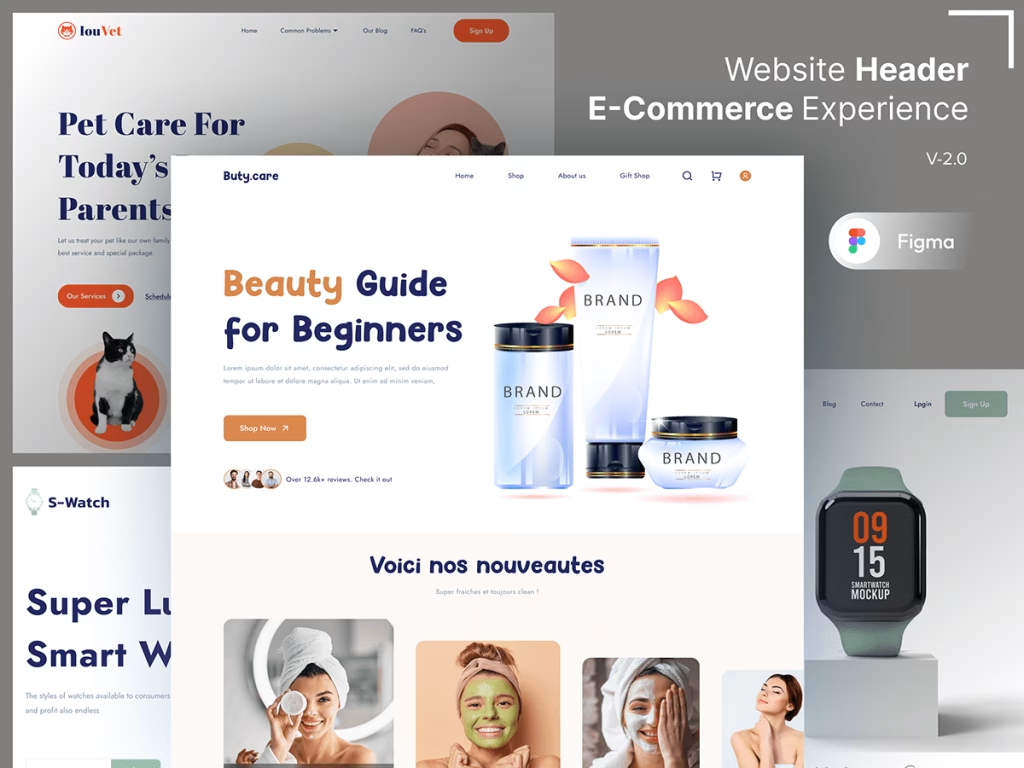
Say you’re running a special summer sale on shoes. Instead of directing shoppers to your full store, a smart e-commerce marketing strategy would be to create a dedicated landing page for that sale. It can highlight the offer details, showcase product photos, and include a clear “Buy Now” button. Simple, focused, and far more effective at driving conversions.
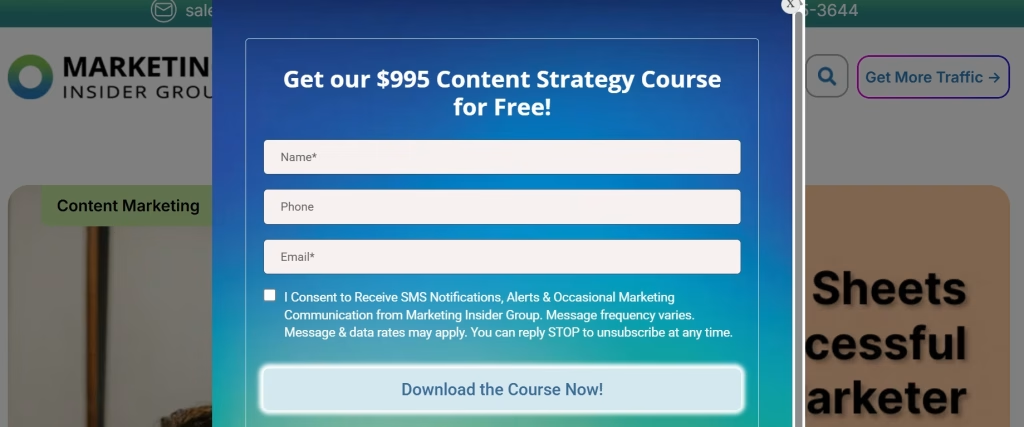
Free Downloads and Lead Magnets
A coach might offer a free workout guide in exchange for your email. The landing page explains what you will get, shows a preview of the guide, and has a short form to fill out. That is lead generation in action.
Event Signups
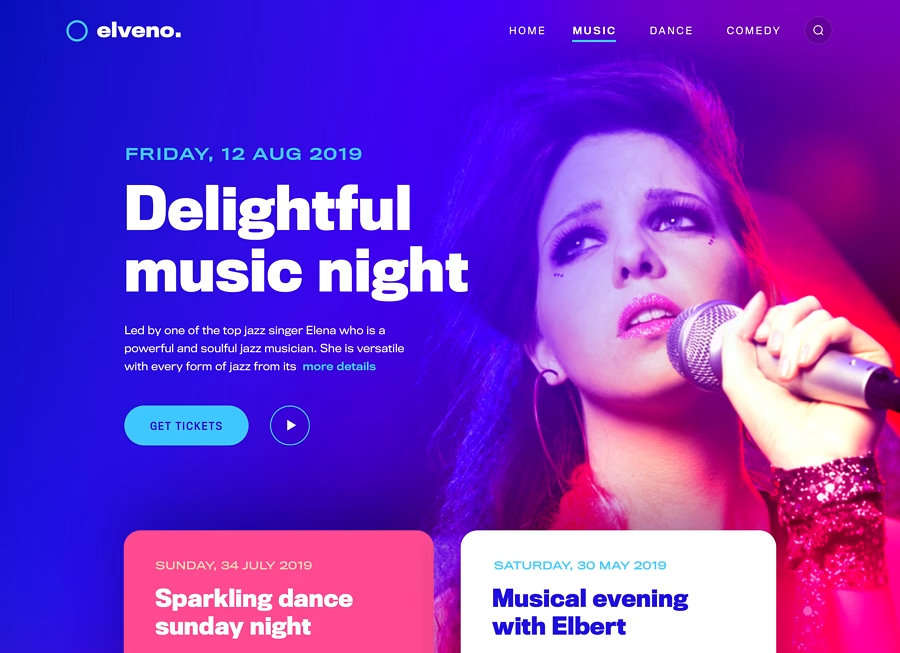
Hosting a webinar or local event? A landing page can collect names and emails while showing off event details. It answers what landing pages on a website are used for in a real, practical way.
Now for the big wrap-up. Let us close with what makes landing pages such an essential part of online success.
Conclusion
By now, you should have a clear picture of what a landing page is and why it is such a game-changer. We answered what the landing page on a website is, walked through different types, and saw how each one serves a specific goal.
A landing page is more than just a web page. It is your silent salesperson. It works around the clock to bring in leads, boost sales, and guide visitors to take action. From promoting a product to collecting emails, the landing page of a website strategy is simple but powerful.
We also covered common mistakes and best practices so you can avoid frustration and get better results. Whether you are just starting out or refining your approach, remember this. A good landing page focuses on one clear message and leads the visitor exactly where you want them to go.
Now that you understand landing page development and its many benefits, you are ready to build one that works for your goals. Start small, test often, and have fun creating a page that converts.
And there you have it. Landing page explained, made easy.
FAQs
1. What is a landing page on a website?
It’s a standalone web page designed to capture leads or drive a specific action from visitors.
2. What are the main types of landing pages?
Lead generation, click-through, product, event, and webinar landing pages.
3. Why are landing pages important for businesses?
They improve conversions, guide visitors, and support marketing campaigns effectively.
4. What elements make a landing page effective?
Clear headline, compelling content, strong call-to-action, visuals, and social proof.
5. How can I optimize landing pages for better results?
Use A/B testing, fast loading times, mobile responsiveness, and targeted messaging.