

Every successful business today needs a strong digital marketing strategy to stay visible and competitive. Whether you run a small local shop or a fast-growing brand, your customers are online every day, searching, comparing, and making decisions in seconds. That is exactly where digital marketing makes the difference.
At its simplest, digital marketing uses online channels and tools to promote products, build brand awareness, and connect with people in real time. It is faster to measure, easier to control, and much more affordable than traditional advertising. You can track every click and adjust your approach instantly to achieve better results.
If your brand is not visible online, it can easily disappear from the customer’s mind. Brand visibility directly influences consumer trust and conversion rates, with factors like social media presence, online reviews, and SEO playing a major role. Building a thoughtful digital marketing strategy helps you stay relevant, grow your audience, and create lasting relationships that turn into real sales.
In the next part, we will look closely at what digital marketing really means, how it works behind the scenes, and why it has become essential for every business today.
What Is Digital Marketing?
Before you can build a successful digital marketing strategy, it helps to understand what digital marketing actually is. In simple terms, digital marketing uses the internet and digital tools to promote products, services, or brands. It connects businesses with the right people through search engines, social media, websites, and email.
Traditional marketing relies on print, radio, or television. Digital marketing shifts the focus online, where people spend most of their time. It allows you to reach a global audience, measure every click, and adjust campaigns instantly for better performance.
A strong digital marketing strategy does not just focus on selling. It aims to create meaningful connections by providing value, solving problems, and building trust with your audience.
What is the Digital Marketing Strategy?
A digital marketing strategy is a clear action plan that outlines how a business will use digital channels to achieve specific goals. Businesses with a documented digital marketing strategy are 313% more likely to report success compared to those without one. It includes everything from understanding your audience and choosing the right platforms to creating content and tracking results.
Think of it as your digital roadmap. It shows where your brand is, where you want it to go, and the steps you will take to get there. A good strategy blends creativity, data, and technology to attract customers, increase engagement, and drive sales.
Key Components and Types of Digital Marketing
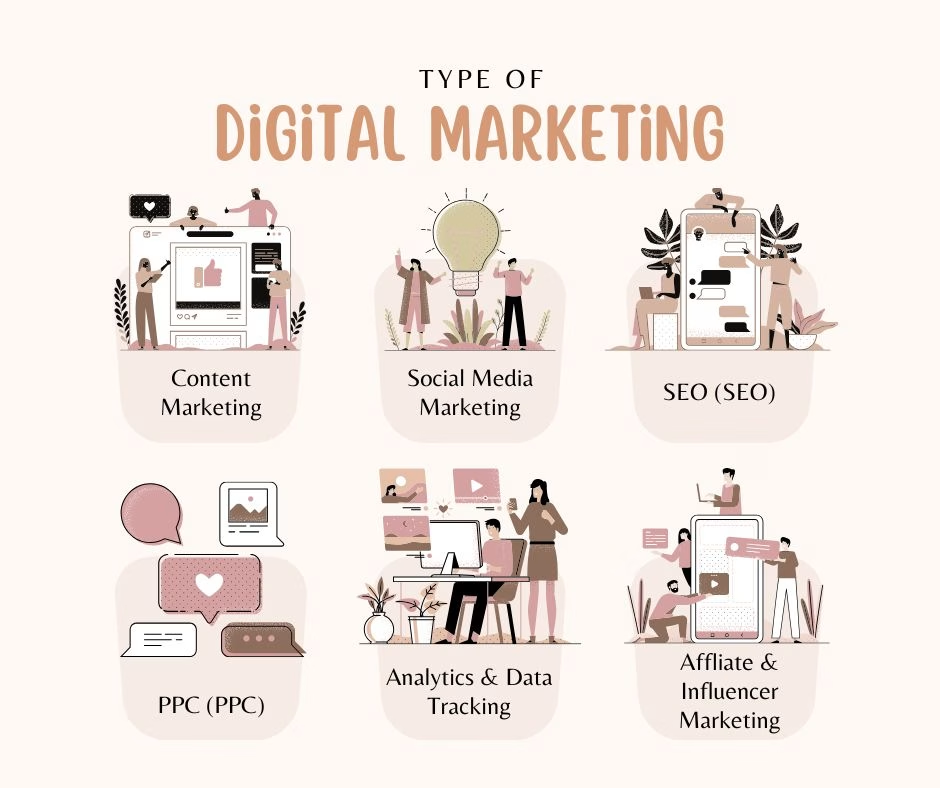
A well-rounded digital marketing strategy is built on several core components that work together to attract, engage, and convert potential customers. Each type of digital marketing plays a unique role, and understanding how they fit together helps create a stronger online presence.
1. Search Engine Optimization (SEO)
Search Engine Optimization, or SEO, focuses on improving your website’s visibility on search engines like Google. The goal is to show up when people search for products or services you offer.
Good SEO involves using the right keywords, creating valuable content, and optimizing your site’s technical structure. When done correctly, it brings consistent organic traffic without paying for ads. This is a vital part of any digital marketing strategy and often works hand in hand with content creation.
2. Content Marketing
Content marketing uses blogs, videos, guides, or infographics to educate and inspire your audience. It builds authority and trust rather than pushing for an immediate sale. A clear digital marketing strategy often begins here, as strong content supports every other marketing channel.
3. Social Media Marketing
Social media platforms like Instagram, Facebook, LinkedIn, and TikTok help brands connect directly with customers. They offer space to share stories, launch new products, and build a community. Consistency and engagement are key to success in this area of digital marketing.
4. Email Marketing
Email remains one of the most personal and effective digital marketing types. It allows you to reach people directly in their inboxes with offers, updates, or helpful insights. When personalized, it can increase customer loyalty and repeat sales. Email marketing has an average ROI of $42 for every $1 spent, proving its value in strategic planning.
5. Pay-Per-Click Advertising (PPC)
PPC advertising lets businesses pay only when someone clicks on their ad. It’s a fast way to reach targeted audiences and drive traffic while waiting for organic methods like SEO to build momentum. Google Ads and social media platforms are popular tools for this.
6. Affiliate and Influencer Marketing
Partnering with influencers or affiliates helps brands reach new audiences through trusted voices. Brands using influencers see engagement rates 3— higher than traditional ads, and 49% of consumers rely on influencer recommendations when making purchase decisions. These partnerships can drive awareness and credibility while expanding reach without traditional ad costs.
7. Analytics and Data Tracking
Every digital marketing strategy relies on data. Analytics tools track how people find, interact with, and respond to your campaigns. They help you see what works and where you can improve, ensuring smarter decisions and better results over time.
Together, these types of digital marketing form the backbone of a successful online presence. Each channel has its own strength, but when they’re connected through a single strategy, they create a powerful system that moves customers from awareness to loyalty.
Real-World Digital Marketing Examples
The best way to understand how a digital marketing strategy works is by looking at real brands that use it effectively. These examples show how different industries combine creativity, data, and digital tools to connect with people and grow their business.
1. Nike – Storytelling Through Digital Content
Nike focuses on storytelling. Campaigns like “You Can’t Stop Us” inspire audiences through emotion and purpose, proving how content and message consistency build brand loyalty.
2. Starbucks – Personalized Email and App Marketing
Starbucks uses its Rewards app to deliver personalized offers and push notifications. This mix of data-driven marketing and SEO keeps customers engaged and returning.
3. Spotify – Data as a Creative Tool
Spotify turns data into creativity with its Wrapped campaign, giving users shareable insights and turning them into natural promoters on social media.
4. Airbnb – User-Generated Content and SEO
Airbnb relies on SEO and user-generated content to share authentic stories from hosts and travelers, helping the brand stay relatable and search-friendly.
5. Domino’s Pizza – Tech and Convenience
Domino’s reinvented itself with a tech-first digital marketing strategy, adding online ordering, voice features, and social interaction that boosted both trust and sales.
6. Apple – Consistency and Experience
Apple keeps its marketing consistent across every channel, using design, SEO, and clean visuals to reinforce its brand identity.
These digital marketing examples show that success depends on creativity, data, and consistency, not company size
Next, we will explore how digital marketing actually works, the process that turns online attention into measurable business growth.
How Digital Marketing Strategy Work?
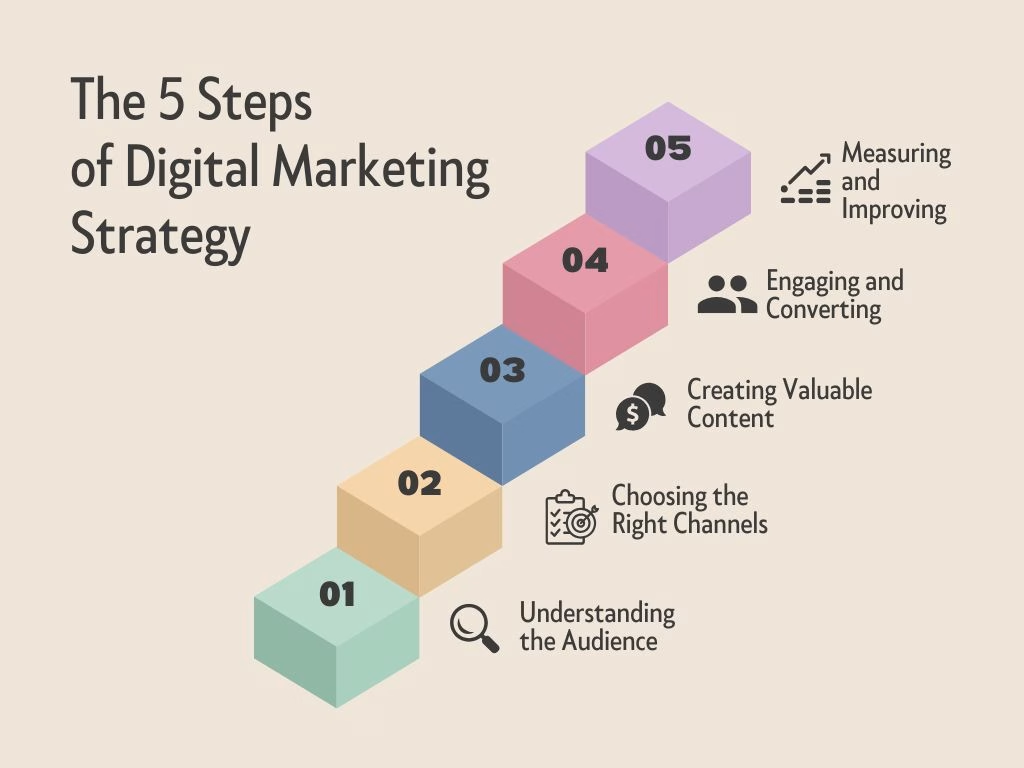
A successful digital marketing strategy follows a clear path from creating awareness to building trust and turning interest into sales. Here’s how the process typically unfolds.
1. Understanding the Audience
Every great strategy starts with knowing who you’re talking to. Companies that invest in understanding their audience are 60% more effective in crafting marketing strategies, fostering brand loyalty, and driving revenue. Marketers analyze behavior, needs, and online habits to create accurate buyer personas. Knowing who you’re speaking to helps shape every message and platform choice.
2. Choosing the Right Channels
Once the audience is clear, businesses select the digital platforms that fit them best. For example:
- A fashion brand might focus on Instagram and TikTok for visual storytelling.
- A tech company could prioritize SEO and LinkedIn to reach professionals.
- A restaurant might use Google Maps and social reviews to drive local visits.
The goal is to focus where the audience is most active, not everywhere at once.
3. Creating Valuable Content
Content creation drives the entire strategy. Quality blogs, videos, and emails attract attention, educate users, and build authority. When paired with strong SEO, that content keeps brands visible in search results.
4. Engaging and Converting
Then comes engagement and conversion. Automation, personalized emails, and social interaction nurture interest in leads or sales.
5. Measuring and Improving
The final step is analyzing performance. Insights from tools like Google Analytics or Meta Ads Manager allow brands to refine and improve in real time.
The Power of Integration
In short, digital marketing works by connecting insights, content, and data to create lasting relationships and measurable business growth.
Next, we’ll look at the key benefits of digital marketing and why every business, whether it’s big or small, needs to invest in it.
Benefits of Digital Marketing
Every business that invests in a solid digital marketing strategy gains more than visibility. It gains control, insight, and a direct connection to the people who matter most, its customers. Below are the key digital marketing benefits that make it essential for every brand today.
- Cost-effective growth – Reach thousands of people online with even a small budget.
- Real-time results – Track clicks, leads, and conversions instantly with analytics tools.
- Precise audience targeting – Focus your message on the right people at the right time.
- Global and local reach – Expand your audience worldwide or attract nearby customers.
- Stronger engagement – Build conversations, not just campaigns, through two-way interaction.
- Flexibility and speed – Adapt quickly to trends or customer feedback with real-time updates.
- Data-driven insight – Use analytics to improve strategy and make smarter marketing choices.
- Competitive advantage – Stay ahead of slower competitors by adopting a strong digital mindset early.
A focused digital marketing strategy allows businesses to grow faster, connect deeper, and make every marketing dollar count.
Challenges in Digital Marketing
Even the best digital marketing strategy comes with obstacles. The online space evolves fast, and success depends on how quickly you can adapt and stay relevant. 68% of online experiences start with a search engine, and 54% of consumers research products online before buying, requiring brands to adapt to changing search trends. Here are the most common challenges that marketers face today.
- High competition – Every brand fights for attention; standing out takes strategy and creativity.
- Constant algorithm changes – Google and social media updates can shift visibility overnight.
- Keeping up with new trends – Emerging tools, platforms, and technologies evolve constantly.
- Privacy and data laws – Collecting and using data responsibly is essential for customer trust.
- Measuring the right metrics – Focus on conversion and retention, not just vanity numbers.
- Content overload – Audiences are flooded with content; authentic stories win attention.
- Maintaining consistency – Regular content and communication build trust and reliability.
Each challenge is also a chance to grow. The brands that adjust their digital marketing strategy with awareness and agility are the ones that last.
Conclusion
A strong digital marketing strategy is no longer optional; it’s the foundation for growth in today’s connected world. From SEO and content creation to social media, email, and analytics, each element works together to attract, engage, and retain customers.
The most successful brands don’t treat digital marketing as a one-time effort. They see it as a living, evolving process that adapts to technology, audience needs, and data insights. Whether you’re running a local business or managing a global brand, having a clear plan helps you stay visible, competitive, and trusted.
By understanding what digital marketing is, how it works, and the different types of digital marketing available, you can build a strategy that matches your goals and resources. Start small, track your results, and improve continuously. Every smart step you take online adds up to long-term success.
FAQs
1. How do you create an effective digital marketing strategy?
An effective digital marketing strategy starts with audience research, clear goals, content planning, SEO optimization, and consistent data-based performance tracking.
2. What is the most important part of a digital marketing strategy?
The most important part of any digital marketing strategy is understanding your target audience and aligning content with their needs and intent.
3. What are the latest trends in digital marketing?
Current digital marketing trends include AI automation, short-form video, influencer partnerships, and personalized content experiences across multiple online platforms.
4. How do small businesses benefit from digital marketing?
Digital marketing helps small businesses reach targeted audiences, build trust, and compete with larger brands through affordable, measurable online strategies.
5. How much should a business spend on a digital marketing strategy?
Most businesses invest five to ten percent of revenue in a digital marketing strategy, adjusting budget based on goals, competition, and growth potential.