


Tata Group has earned a reputation as one of India’s most influential business conglomerates. With a presence in sectors ranging from automobiles to IT and consumer goods, Tata has built a diverse business empire.
Tata Group operates in over 150 countries and has 26 publicly listed group companies with a combined market cap in the hundreds of billions.
The Tata marketing strategy demonstrates a unique blend of tradition and innovation. This Tata case study highlights how the group has maintained its competitive edge while building a diverse portfolio of successful brands.
The Tata marketing strategy focuses on trust, quality, and social responsibility. Over the decades, it has adapted to changing market dynamics, ensuring that every business under its umbrella aligns with the core values of the Tata brand.
From Tata Motors’ global ventures to Tata Tea’s local dominance, the group showcases a wide spectrum of business expertise. This Tata marketing mix offers valuable insights into its approach to product, promotion, and customer engagement.
History and Evolution
Tata Group’s journey began in 1868 when Jamsetji Tata founded the company with a vision to create enterprises that combined business success with social responsibility. Starting with Tata Steel in 1907, the group steadily expanded into industries like hospitality, power, chemicals, and automobiles. Over the decades, Tata became a symbol of reliability, quality, and ethical business practices.
The evolution of Tata’s marketing strategy reflects the group’s ability to adapt to global trends while staying true to its Indian roots. For instance, Tata Motors’ early focus was on utility vehicles and commercial transport.
Over time, the brand ventured into passenger cars and global acquisitions like Jaguar Land Rover, showing a shift toward premium markets. In 2025, Tata Motors agreed to a €3.8 billion offer to acquire Iveco’s commercial-vehicle business.
Tata’s marketing strategy for growth isn’t just about expansion; it emphasizes sustainable development and community impact. This long-term vision strengthens the Tata marketing strategy for business, ensuring that every venture contributes to both corporate goals and societal progress.
From a small steel company to a global conglomerate, Tata has consistently leveraged innovation, brand trust, and strategic diversification. This history sets the stage for understanding how Tata operates as a “House of Brands” today.
Tata as a “House of Brands”
Tata Group is often described as a “House of Brands,” meaning it manages a portfolio of diverse brands, each with its own identity yet aligned with the overarching Tata values.
From Tata Motors to Tata Tea, Tata Steel to Tata Consultancy Services, every brand addresses a distinct market segment while reinforcing the credibility of the parent company.
Tata Group operates in 100+ countries (reports variously cite “over 100” to “150+” depending on the report) and serves hundreds of millions of customers globally.
This structure allows Tata to balance innovation and specialization. For example:
- Tata Motors focuses on automobiles and commercial vehicles.
- Tata Consultancy Services (TCS) leads in IT and digital services globally.
- Tata Consumer Products targets FMCG markets, including tea, coffee, and packaged foods.
- Taj Hotels represents luxury hospitality with a legacy of service excellence.
Managing such a varied portfolio requires a strong Tata marketing strategy. Each brand follows targeted campaigns, product differentiation, and market research to resonate with its target audience. Yet, they all benefit from the “Tata” reputation – trust, quality, and corporate responsibility, which strengthens consumer confidence across industries.
By functioning as a House of Brands, Tata not only diversifies risk but also maximizes growth opportunities. This model underpins the Tata marketing strategy for business, making it adaptable to both domestic and global markets.
Tata Marketing Strategy Mix (7Ps)
The Tata marketing strategy mix demonstrates how the group tailors its strategies to different industries while maintaining a consistent brand image. Let’s break down the 7Ps:
1. Product
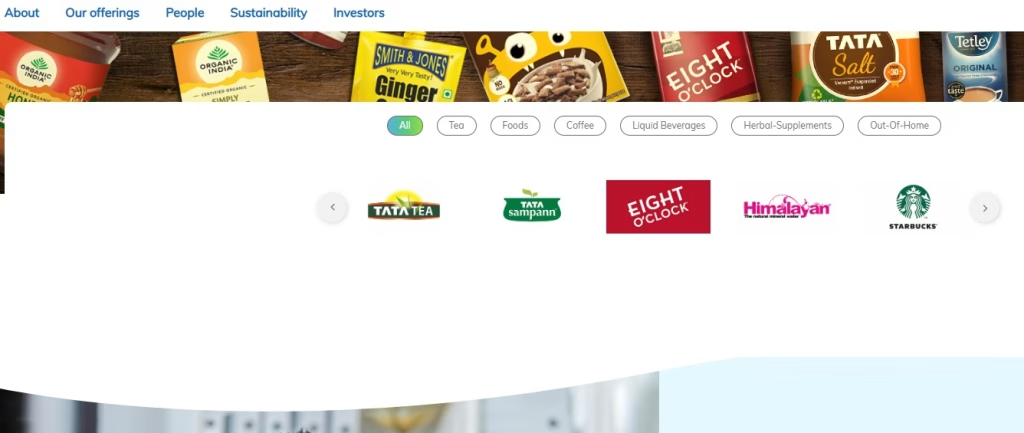
Tata offers a wide range of products, from automobiles and IT services to consumer goods and hospitality. Each product emphasizes quality, reliability, and innovation. For instance, Tata Motors’ electric vehicles align with sustainability trends, while Tata Tea focuses on natural ingredients and wellness. Tata Consumer Products reports, it is the 2nd largest branded tea company in the world and reaches over 201 million Indian households.
2. Price
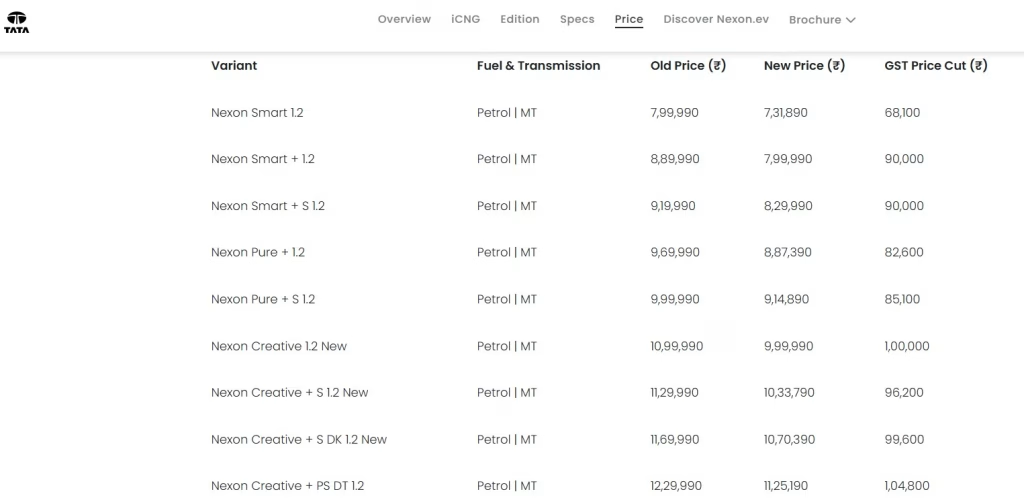
Pricing strategies vary by brand. Tata Motors uses competitive pricing for mass-market vehicles and premium pricing for Jaguar Land Rover. Tata Consumer Products often positions its offerings as value-for-money, while Taj Hotels uses a premium pricing model for luxury experiences.
3. Place
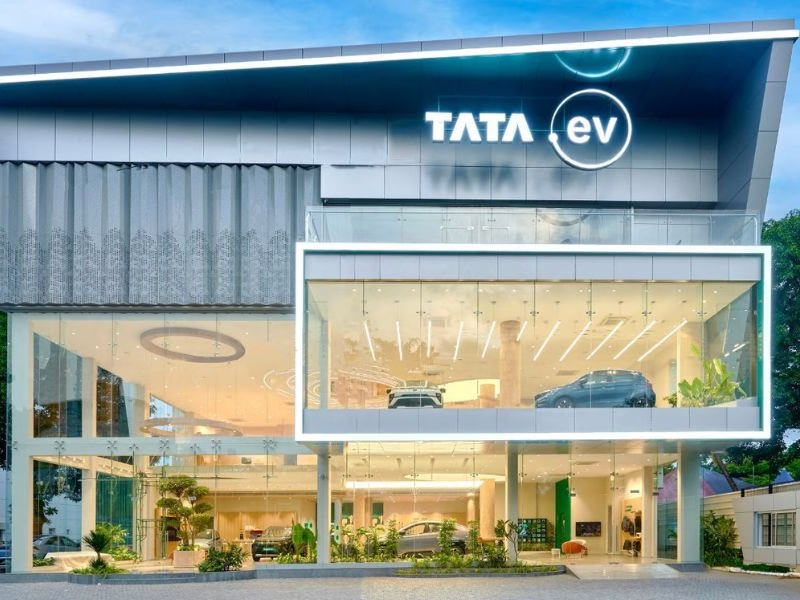
Tata leverages both domestic and international channels. Tata Motors has showrooms across major cities and offers online sales to enhance customer convenience. TCS operates globally through offices and digital platforms, while Tata Consumer Products reaches both urban and rural markets alike.
Tata Consumer Products reports a reach of over 201 million Indian households, illustrating Tata Tea’s distribution and urban + rural market penetration.
4. Promotion
Tata employs integrated marketing campaigns combining traditional media, digital marketing, sponsorships, and corporate social responsibility initiatives. Campaigns emphasize trust, heritage, and innovation.
5. People
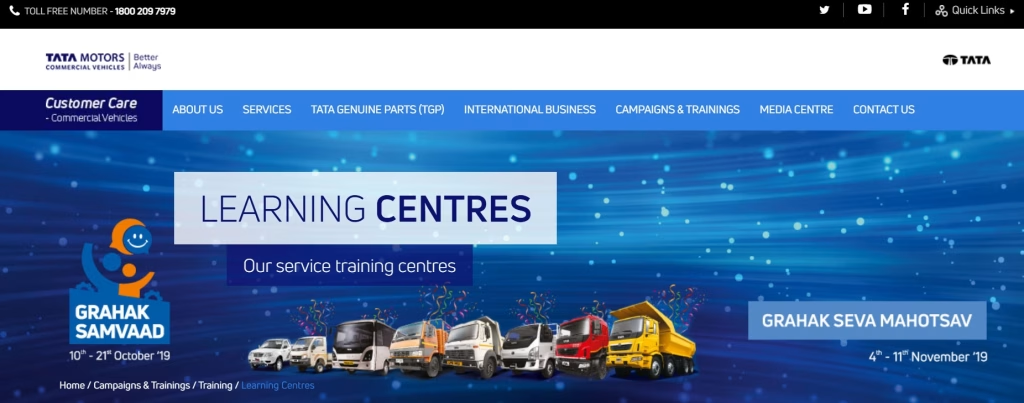
Employees and customer service teams are central to the Tata marketing strategy. Tata invests heavily in training and engagement to uphold service excellence, particularly in hospitality and IT.
6. Process
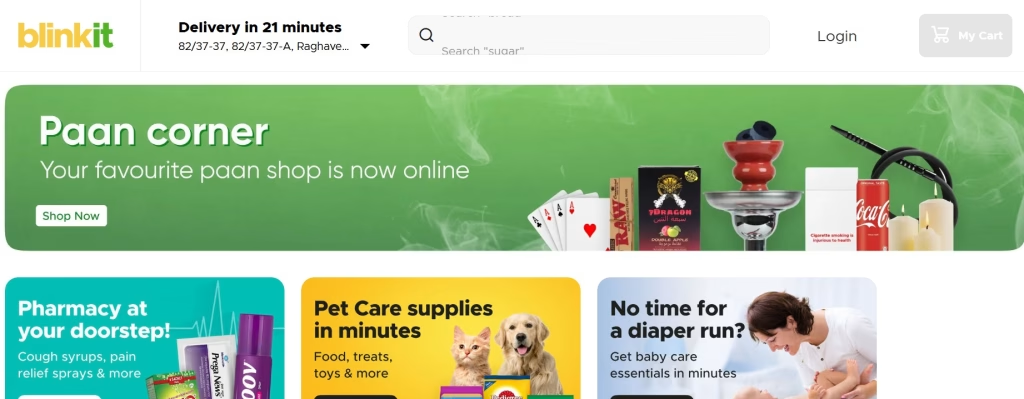
Operational efficiency and customer experience are key. Tata ensures smooth delivery, transparent processes, and quick problem resolution across industries. Tata-owned Big Basket launched a 10-minute food delivery pilot and is building quick-commerce capabilities to speed fulfilment across cities.
7. Physical Evidence
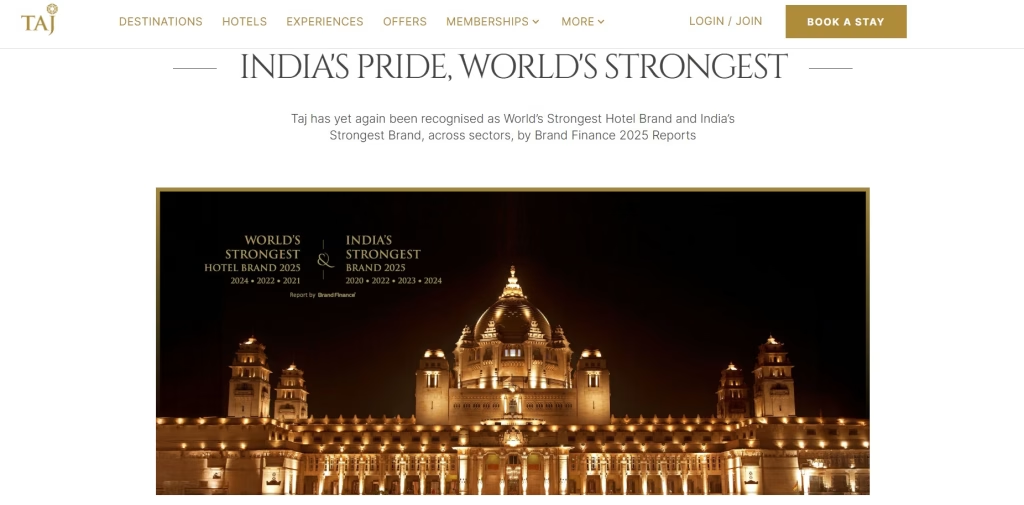
From elegant Taj Hotels properties to well-designed product packaging and showrooms, Tata focuses on tangible elements that reflect quality and reinforce brand trust.
By strategically managing these 7Ps, Tata ensures that its brands maintain a competitive edge while delivering consistent value to customers.
Tata Marketing Strategy & Branding
Tata’s marketing strategy revolves around building trust, emotional connections, and long-term brand loyalty. Brand Finance valued the Tata Group at US$31.6 billion in 2025, reflecting rising brand equity that supports consumer trust and long-term loyalty.
The group emphasizes values such as integrity, sustainability, and innovation, which resonate across industries. This approach strengthens consumer confidence while differentiating Tata from competitors.
Key Elements of Tata Marketing Strategy:
- Brand Trust: Tata is synonymous with reliability. Campaigns often highlight product quality, ethical practices, and social responsibility.
- Emotional Branding: Tata connects with customers through stories, like Tata Motors’ “Made for India” initiative or Tata Steel’s community programs, which foster emotional engagement.
- Digital Integration: Tata brands leverage social media, e-commerce, and digital advertising to target younger audiences and global markets.
- Global Outreach: Strategic acquisitions like Jaguar Land Rover expand Tata’s presence internationally while maintaining local brand relevance.
- CSR as Marketing: Initiatives in education, healthcare, and sustainability reinforce brand image and differentiate Tata from competitors in the eyes of socially-conscious consumers.
This integrated approach ensures that the Tata marketing strategy and branding efforts reinforce one another, creating a strong, recognizable identity globally.
Top Campaigns from Tata Marketing Strategy
Tata has delivered several memorable marketing campaigns that have reinforced its brand values and connected emotionally with audiences. These campaigns not only boosted visibility but also strengthened consumer trust.
1. Tata Tea – “Jaago Re”
- A campaign focused on social awakening and civic responsibility in India.
- Encouraged citizens to vote, engage in social issues, and participate in change.
- Built Tata Tea’s brand as socially conscious, aligning product identity with activism.
2. Tata Motors – “Made for India”
- Highlighted vehicles are designed specifically for Indian roads and lifestyles.
- Focused on durability, affordability, and local needs.
- Created strong emotional resonance among Indian consumers, especially for Nano and Tata Safari campaigns.
3. Tata Sky – “Live Life in HD”
- Promoted high-quality entertainment experiences with crisp visuals and service reliability.
- Reinforced Tata’s positioning in technology-driven, premium services.
4. TCS – “Building on Belief”
- Showcased Tata Consultancy Services’ commitment to client success and innovation.
- Emphasized problem-solving, technological expertise, and global impact.
5. Taj Hotels – “The Luxury of Caring”
- Highlighted hospitality combined with personalized service.
- Reinforced the Tata ethos of empathy, trust, and attention to detail in luxury experiences.
Each campaign demonstrates Tata’s marketing strategy in action: blending emotional storytelling, social responsibility, and product relevance. These efforts have strengthened the Tata brand across industries, making it a household name both in India and globally.
SWOT Analysis of Tata
Analyzing the Tata marketing strategy through a SWOT framework highlights the group’s competitive advantages and areas for growth.
Strengths
- Brand Reputation: Tata is trusted globally for quality, ethics, and reliability.
- Diversified Portfolio: Presence in automobiles, IT, FMCG, and hospitality reduces business risk.
- Innovation & R&D: Tata Motors’ electric vehicles and TCS’s IT solutions showcase strong innovation.
- Global Reach: Strategic acquisitions like Jaguar Land Rover enhance international presence.
Weaknesses
- High Operational Costs: Managing multiple industries can lead to elevated expenses.
- Brand Dilution Risk: Diverse sectors may challenge consistent brand messaging.
- Slow Decision-Making: Large conglomerates sometimes struggle with agility.
Opportunities
- Digital Expansion: Leveraging e-commerce, AI, and data analytics for customer engagement.
- Sustainability Trends: Increasing demand for eco-friendly vehicles and green products.
- Emerging Markets: Expanding Tata Motors and Tata Consumer Products in developing countries.
- Strategic Partnerships: Collaborations can enhance innovation and market penetration.
Threats
- Intense Competition: Global automotive, IT, and FMCG markets are highly competitive.
- Economic Fluctuations: Currency shifts and market slowdowns impact profitability.
- Regulatory Changes: Environmental and labor regulations may affect operations.
By understanding its strengths and addressing weaknesses, Tata can leverage opportunities and mitigate threats effectively, ensuring long-term growth and stability across industries.
Conclusion
Tata’s marketing strategy reflects a careful balance of tradition, innovation, and social responsibility. By operating as a “House of Brands,” Tata ensures that each business unit, whether Tata Motors, TCS, or Tata Consumer Products, targets its audience effectively while benefiting from the trust associated with the parent brand.
The Tata marketing mix, combined with a strong branding strategy, positions the group as a leader in diverse industries. SWOT insights reveal that while challenges like operational costs and competition exist, opportunities in digital growth, sustainability, and global markets are abundant.
Ultimately, Tata’s business strategy is a blueprint for combining corporate success with societal impact. For marketers and business enthusiasts, this Tata case study demonstrates how a conglomerate can thrive globally without compromising core values.
Tata continues to inspire through quality, innovation, and ethical practices, making it not just a company but a benchmark for excellence in marketing and branding.
FAQs
1. How does Tata build customer trust?
Through consistent quality, transparent business practices, and socially responsible campaigns that reinforce reliability and ethics across all Tata Group companies.
2. How has Tata’s brand value grown recently?
According to Brand Finance (2025), Tata Group’s brand value rose to US$31.6 billion, showing strong global growth and consumer trust.
3. How does Tata use digital marketing?
Tata companies leverage data-driven strategies, AI tools, and omnichannel platforms to enhance customer engagement and personalized marketing experiences.
4. What makes Tata’s marketing different from competitors?
Tata blends purpose-driven campaigns with innovation and emotional appeal, emphasizing brand integrity over aggressive sales tactics.
5. What is Tata’s core marketing strategy?
Tata’s marketing strategy focuses on trust, emotional storytelling, innovation, and long-term customer relationships across diverse industries.