

YouTube isn’t just a video platform; it’s a goldmine for brands and creators looking to connect with audiences. A smart YouTube marketing strategy can turn casual viewers into loyal fans, increase visibility, and even drive sales. To illustrate, YouTube users spend an average of 48.7 minutes per day on the platform in 2024, highlighting deep engagement potential for marketers.
But success doesn’t happen by uploading videos randomly. Understanding what is YouTube marketing and how to implement proven YouTube marketing strategies is key. Hence, from crafting engaging content to optimizing for discovery, every step matters.
In this article, we’ll break down actionable tips, examples, and tools that make up a complete marketing strategy of YouTube. All in all, by the end, you’ll have a roadmap to grow your channel, engage viewers, and make your videos work harder for your brand.
Knowing Your Audience
A strong YouTube marketing strategy starts with knowing exactly who you’re trying to reach. For that reason, without knowing the target audience, even the most polished videos can miss the mark.
Define Your Target Audience
Start by identifying:
- Demographics: Age, gender, location
- Interests and hobbies: What problems are they trying to solve?
- Viewing habits: When and how do they watch videos?
For example, a tech brand targeting gamers will create high-energy, short gameplay clips, while a wellness brand may focus on tutorials or guided meditation videos.
Analyze Audience Behavior on YouTube
Use YouTube Analytics to see which videos get the most engagement. So, look at metrics like:
- Average watch time
- Click-through rates on thumbnails
- Comments and shares
Moreover, this data helps refine your YouTube marketing strategy and ensures every video resonates with your viewers.
Use Insights to Shape Content
Not to mention understanding your audience lets you:
- Tailor content to their preferences
- Create videos that encourage interaction
- Plan a content calendar that matches their viewing habits
Also, having a deep knowledge of your audience forms the foundation for all other YouTube marketing strategies, from content creation to paid campaigns. 45% of marketers report better campaign performance through data segmentation.
Content Strategy
Once you know your audience, the next step in your YouTube marketing strategy is creating content that captivates and converts. A thoughtful content plan keeps viewers coming back and strengthens your brand presence.
Types of YouTube Content
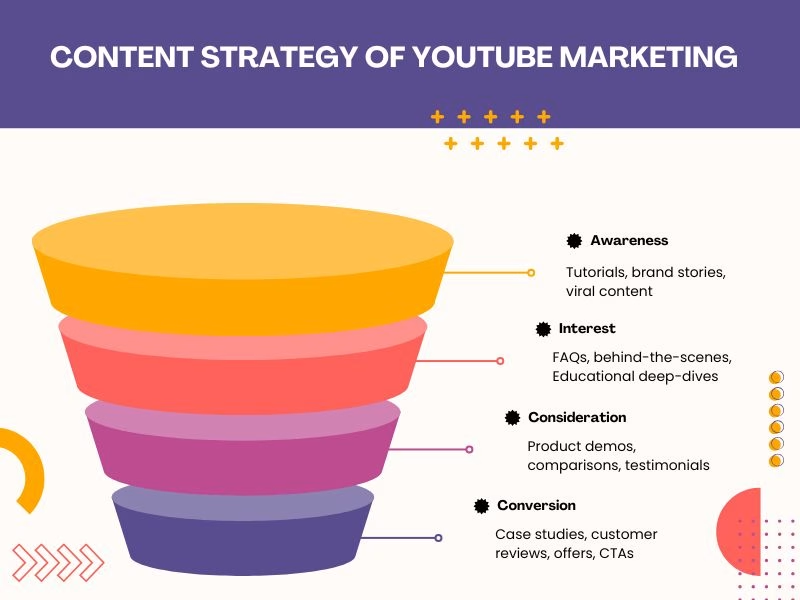
Different formats serve different goals. Hence, consider mixing:
- Tutorials and How-Tos – Educate viewers and build trust
- Product Reviews and Comparisons – Showcase value and influence purchase decisions
- Vlogs and Behind-the-Scenes – Humanize your brand and foster connection
- Webinars and Live Streams – Drive engagement and real-time interaction
For instance, a cooking channel might use tutorials for recipes, vlogs for kitchen tips, and live Q&A sessions to connect with fans.
Content Planning & Consistency
Additionally, consistency is crucial. Hence, plan a social media or holiday content calendar with:
- Upload frequency (weekly, bi-weekly, etc.)
- Topics aligned with audience interests
- Special campaigns or seasonal content
Regular posting signals reliability to both viewers and YouTube’s algorithm.
Optimizing for Engagement
Besides, small tweaks can make a big difference:
- Eye-catching thumbnails and clear titles
- Descriptions with relevant keywords
- End screens and cards to guide viewers to other videos
Storytelling & Branding
Stories stick. Incorporate your brand’s voice, values, and visuals in every video. A consistent branding style builds recognition and strengthens your overall YouTube marketing mix. As per a study, around 68% of companies report that brand consistency added 10-20% to their revenue growth.
Concurrently, with a solid content plan, you can attract attention, keep viewers engaged, and set the stage for advanced YouTube marketing campaigns.
YouTube SEO & Discovery
Creating great content is only half the battle. A strong YouTube marketing strategy also ensures your videos are discoverable. Optimizing for search and recommendations helps your content reach the right audience.
Keyword Research for YouTube
Start by keyword research to identify keywords your audience is searching for. Further, tools like TubeBuddy, VidIQ, or even YouTube’s search suggestions can reveal high-traffic phrases. Integrate these naturally in:
- Video titles
- Descriptions
- Tags
For example, a fitness channel might target “home workout routine” or “beginner yoga exercises” to attract viewers.
Optimizing Video Metadata
Likewise, your metadata guides YouTube on what your video is about:
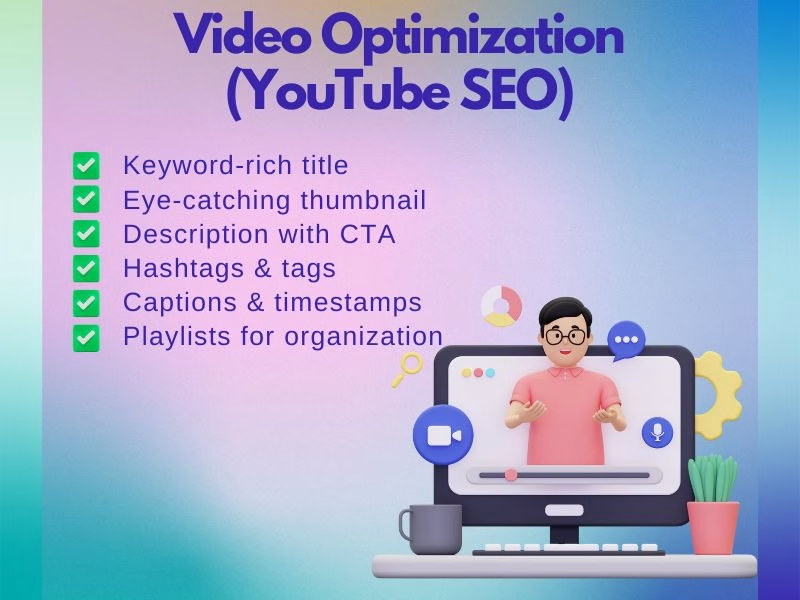
- Titles: Clear, keyword-rich, and compelling
- Descriptions: Include primary and secondary keywords, along with links or CTAs
- Tags & Playlists: Organize content for better discoverability
Captions and Subtitles
Adding captions improves accessibility and can boost your search ranking. Viewers are roughly 80% more likely to watch a video to completion when closed captions are available. YouTube can index text from captions, giving your videos more chances to appear in search results.
Using Playlists & End Screens
Playlists and end screens increase watch time, a key metric for YouTube’s algorithm. Encourage viewers to continue watching related videos and explore your channel further.
Thus, by mastering SEO and discovery, your YouTube marketing strategy doesn’t just attract viewers, it converts casual clicks into long-term followers.
Audience Engagement & Community Building
Above all, engaging your audience is a core part of any effective YouTube marketing strategy. Active communities boost watch time, encourage sharing, and foster loyalty that goes beyond a single video.
Encourage Comments and Interaction
Then, prompt viewers to share opinions or experiences in the comments. Further, questions like “Which tip worked best for you?” or “What should we cover next?” spark conversation and increase engagement.
Respond to Comments and Messages
Similarly, replying to comments shows you value your audience. Even short responses can strengthen connections and encourage viewers to return.
Leverage Community Features
- Community Tab: Post polls, updates, or behind-the-scenes content to keep followers involved.
- YouTube Stories: Share short, informal updates to maintain regular interaction.
Collaborations and Influencer Partnerships
Meanwhile, partnering with creators in your niche introduces your channel to new audiences. Influencer marketing strategy and collaborations can include:
- Co-hosted videos
- Guest appearances
- Shoutouts or mentions
Thus, a well-nurtured community transforms casual viewers into advocates, amplifying your YouTube marketing campaigns organically. 90% of consumers trust recommendations from friends or acquaintances.
Paid Marketing Strategies
While organic growth is essential, a complete YouTube marketing strategy often includes paid advertising campaigns to expand reach and drive conversions faster.
Overview of YouTube Ads
Besides, YouTube offers multiple ad formats to suit different goals:
- Skippable in-stream ads – Appear before or during videos; viewers can skip after 5 seconds
- Non-skippable ads – Full-view ads for guaranteed exposure
- Bumper ads – Short, 6-second ads to boost brand awareness
- Sponsored cards – Highlight products or related videos within your content
Targeting Options
In fact, paid campaigns allow precise targeting:
- Demographics: Age, gender, location
- Interests and behaviors: Based on YouTube viewing habits
- Remarketing: Reach viewers who previously interacted with your channel
Budgeting and Campaign Optimization
Further, for campaigns, start small, test different creatives, and monitor performance closely. Key metrics include:
- Click-through rate (CTR)
- Lead conversions or sign-ups
- Engagement and watch time
When executed strategically, paid campaigns complement organic efforts, amplifying the results of your YouTube marketing mix and accelerating growth.
Cross-Promotion & Distribution
However, even the best videos need a push to reach a wider audience. Integrating cross-promotion into your YouTube marketing strategy ensures your content reaches viewers across multiple platforms.
Share on Social Media
At first, promote videos on Facebook, Instagram, LinkedIn, or TikTok. Tailor captions and snippets to fit each platform, encouraging users to click through to your full video.
Embed Videos on Websites & Blogs
Adding videos to your website or blog posts keeps visitors engaged longer and improves your SEO. For example, a product tutorial embedded on an e-commerce page can increase conversions.
Leverage Email Marketing
Accordingly, include video links in newsletters or email campaigns. Highlight key takeaways or create curiosity to encourage clicks.
By distributing content strategically, you amplify the impact of your YouTube marketing campaigns and ensure your videos don’t get lost in the vast sea of content. For example, 67% of businesses say their own website is the best place to distribute videos; 49% use email blasts as a key video-distribution channel.
Analytics & Performance Measurement
In fact, tracking performance is critical to refining your YouTube marketing strategy. Without data, it’s impossible to know what’s working and what needs adjustment.
Key Metrics to Monitor
Focus on metrics that reveal both reach and engagement:
- Views – Overall video popularity
- Watch time – How long viewers stay engaged
- Click-through rate (CTR) – Effectiveness of titles and thumbnails
- Subscriber growth – Indicates long-term retention
- Engagement rate – Comments, likes, and shares
Adjusting Strategy Based on Data
Similarly, analytics help you make informed decisions:
- Replicate high-performing content
- Refine underperforming videos
- Optimize posting schedule and thumbnails
So, regularly reviewing data ensures your YouTube marketing campaigns stay effective and aligned with audience interests, turning insights into actionable improvements.
Trends & Innovations in YouTube Marketing
In addition to this, YouTube is constantly evolving, and a forward-thinking YouTube marketing strategy takes advantage of the latest trends to stay competitive.
Short-Form Content (YouTube Shorts)
Shorts are YouTube’s answer to quick, snackable content. For instance, the average engagement rate for Shorts is about 5.91%, which is very strong for short-form video content. They’re ideal for:
- Boosting channel visibility
- Engaging younger audiences
- Driving traffic to longer videos
Live Streaming & Real-Time Engagement
Live streams offer a direct connection with viewers, creating urgency and community. Q&As, product launches, or tutorials work especially well in this format.
Interactive & Immersive Content
Above all, emerging formats like AR/VR, 360° videos, and clickable annotations make videos more engaging. Interactive experiences increase watch time and strengthen brand recall.
Conclusion
By experimenting with new formats and staying aware of trends, your YouTube marketing strategy remains dynamic, relevant, and highly effective in reaching modern audiences.
A strong YouTube marketing strategy combines audience insights, engaging content, SEO, and consistent measurement to drive growth. By understanding viewers, optimizing videos for discovery, and incorporating trends, brands can build loyal communities and increase engagement.
Adding paid campaigns and cross-promotion amplifies reach, while tracking key metrics ensures continuous improvement. With a focused approach, your YouTube marketing campaigns can turn casual viewers into dedicated fans and boost both brand awareness and conversions.
FAQs
1. What are the most effective strategies to increase YouTube views?
Optimizing your video titles, descriptions, and tags with relevant keywords is crucial. Creating engaging thumbnails, posting consistently, and leveraging playlists also help keep viewers watching. Additionally, promoting videos across social media and email newsletters can attract a wider audience.
2. How can I boost engagement on my YouTube videos?
Engagement grows when you encourage likes, comments, and shares. Ask viewers questions, respond to comments, use polls, and host live streams. Creating content that sparks discussion or resonates emotionally will also naturally increase interaction.
3. How important is audience research for YouTube marketing?
Understanding your audience’s interests, demographics, and viewing habits is key to creating content that they will watch and engage with. Analytics tools like YouTube Studio help track watch time, audience retention, and top-performing content, guiding your strategy.
4. Should I focus on short-form or long-form videos?
Both formats have value. Short-form videos, like YouTube Shorts, capture attention quickly and drive discovery. Long-form videos provide depth, improve watch time, and strengthen viewer loyalty. The best approach is a mix, depending on your goals and audience preferences.
5. How can collaboration help grow my YouTube channel?
Collaborating with other creators or influencers exposes your channel to new audiences. Joint videos, shout-outs, or guest appearances can increase subscribers, views, and engagement while building credibility in your niche.