

Writing can feel exciting, but sometimes the message doesn’t come across clearly. What is manuscript editing? It’s the process that turns rough drafts into polished, professional work. Think of it like refining a raw diamond; your ideas remain, but they shine brilliantly.
Editing a manuscript goes beyond fixing typos. It improves clarity, flow, and readability so that your thoughts connect naturally with readers. Whether it’s a novel, academic paper, or business document, editing helps your work go from good to impressive.
Writing and editing have different purposes, similar to baking and decorating a cake. Writing creates the batter – the raw ideas. Editing a manuscript spreads the frosting and adds the finishing touches, making the piece enjoyable and easy to follow.
This guide explains how to edit manuscript effectively, explores the types of manuscript editing, and shares practical tips for smoother revisions. By following these strategies, confidence grows in shaping your work until it truly shines.
How to Edit a Manuscript?
Editing a manuscript transforms rough writing into clear, polished work. Knowing how to edit manuscript step by step makes the process manageable and more effective.
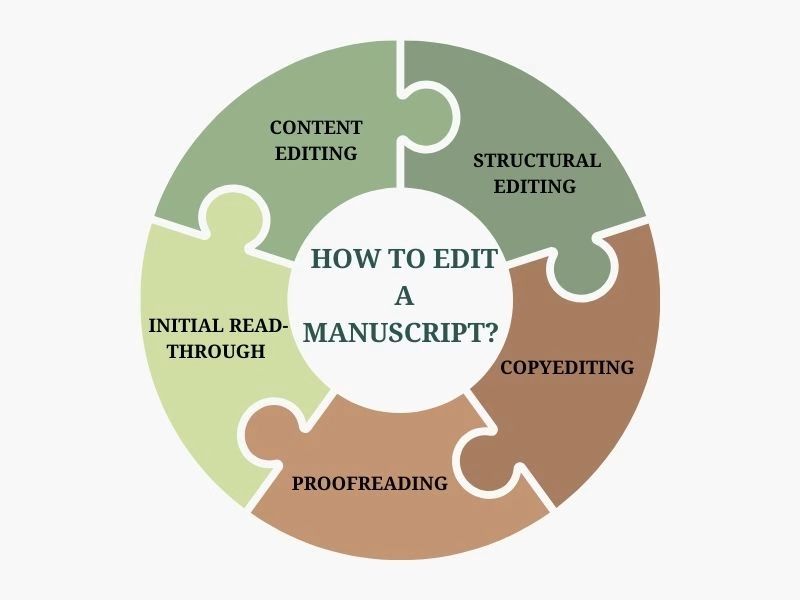
Initial Read-Through
Start by reading the manuscript from beginning to end. This helps you understand the overall flow and spot confusing or out-of-place sections. It’s the first step in learning how to edit manuscript efficiently.
Content Editing
Focus on clarity, consistency, and relevance. Remove repeated ideas, strengthen weak points, and ensure every paragraph supports the main message. Think of it like pruning a tree; it helps your manuscript grow strong and cohesive.
Structural Editing
Organize chapters, sections, and headings for smooth flow. Check paragraph order and transitions so readers move naturally from one idea to the next. Structural edits are one of the most important types of manuscript editing.
Copyediting
Correct grammar, punctuation, spelling, and word choice. Keep style and formatting consistent to make your manuscript professional and easy to read. This step helps polish the text while keeping your voice intact.
Proofreading
Perform a final check to catch minor errors and ensure consistency. Proofreading prevents small mistakes from distracting readers and gives the manuscript a polished, professional finish.
By following these steps, anyone can edit manuscript effectively, improving clarity, flow, and readability.
Types of Manuscript Editing
Understanding what is manuscript editing starts with knowing the types of manuscript editing. Each type focuses on a different aspect of content writing, helping you choose the right approach to improve your work.
Developmental Editing
This looks at the big picture: content, structure, and organization. It may involve rewriting sections, reorganizing chapters, or suggesting new ideas. Developmental editing ensures the manuscript makes sense, flows logically, and sets a strong foundation for further edits.
Line Editing
Line editing improves sentence flow and readability. It enhances tone, voice, and style without changing the meaning. Think of it as smoothing rough edges so your writing feels natural and engaging.
Copyediting
Copyediting targets grammar, punctuation, spelling, and formatting. It also ensures consistency in style, terminology, and references. This step helps edit manuscript carefully, making it professional and error-free.
Proofreading
Proofreading is the final polish. It catches minor mistakes, typos, and inconsistencies. Even small errors can distract readers, so proofreading ensures the manuscript shines from start to finish.
Technical or Scientific Editing
Some manuscripts require specialized editing for terminology, accuracy, and field-specific standards. Technical editors make sure content meets professional, academic, or industry expectations.
Knowing these types of manuscript editing allows content writers to approach revisions confidently. Choosing the right type ensures the manuscript improves in clarity, structure, and overall quality.
Editing for Different Genres
Editing a manuscript changes depending on the type of writing. Fiction, nonfiction, academic, and technical works each have unique requirements. Knowing these differences helps writers edit manuscript effectively and ensures the final work connects with readers.
Fiction
Fiction needs attention to plot, character development, and pacing. Check that dialogue sounds natural, scenes flow smoothly, and the story maintains tension. Small details, like consistent character traits or timelines, make a big difference. This is one of the creative ways how to edit manuscript for storytelling.
Nonfiction
Nonfiction focuses on clarity, accuracy, and organization. Facts should be correct, examples should support key points, and sections need logical order. Clear headings and smooth transitions keep readers engaged and improve readability.
Academic Writing
Academic manuscripts demand precision, proper citations, and a formal tone. Review referencing, consistency in terminology, and logical argument structure. Grammar and style must align with academic standards, making this a specialized type of manuscript editing.
Technical writing
Technical writing emphasizes clarity, usability, and accuracy. Instructions, procedures, or data must be easy to follow and error-free. Simplify complex ideas without losing essential details, and include visuals when helpful.
Understanding these genre differences shows the importance of types of manuscript editing. Adjusting focus for fiction, nonfiction, academic, or technical works ensures the manuscript becomes polished, professional, and ready to impress.
Tips for Effective Manuscript Editing
Editing a manuscript becomes smoother and more effective with a few practical strategies. These tips improve clarity, flow, and overall quality, helping writers confidently edit manuscript from start to finish.
- Take breaks between writing and editing. Fresh eyes catch mistakes more easily, and ideas appear clearer. Pausing also makes it easier to see areas that need improvement.
- Read the manuscript aloud. Hearing the words highlights awkward sentences, unclear phrasing, and rhythm issues. This is one of the simplest ways to notice problems while learning how to edit manuscript effectively.
- Use grammar and spell-check tools to catch basic errors quickly, but always review manually to preserve style and meaning. Automation helps, but human judgment keeps your writing authentic.
- Focus on one aspect at a time. Start with content, then structure, language, and finally proofreading. Tackling each step separately prevents overwhelm and ensures nothing is missed.
- Seek feedback from peers, beta readers, or professional editors. A fresh perspective often reveals blind spots and new ideas, helping refine the manuscript further.
- Maintain consistency in formatting, headings, and style. A well-organized manuscript feels polished and professional, reflecting care and attention to detail.
- Using these strategies, writers can approach any draft confidently and efficiently, making it easier to edit manuscript into a polished, ready-to-publish piece.
Conclusion
Manuscript editing transforms writing from rough drafts into polished, professional work. It adds clarity, flow, and consistency, making ideas easier for readers to understand and enjoy.
Knowing how to edit manuscript and understanding the types of manuscript editing helps approach revisions with confidence. Each step, from content review to proofreading, improves quality and brings your writing closer to its best form.
Practical tips, such as taking breaks, reading aloud, and seeking feedback, make the editing process manageable and even enjoyable. Editing becomes less of a chore and more of a creative refinement.
Ultimately, editing a manuscript is about helping your writing shine. Every polished sentence, well-structured paragraph, and corrected error brings your work closer to its full potential and ensures readers experience your ideas at their finest.
FAQs
1. What does it mean to edit manuscript?
It’s the process of reviewing and improving a draft to enhance clarity, flow, and accuracy.
2. Why is it important to edit manuscript before publishing?
It ensures professionalism, removes errors, and improves readability for the audience.
3. What are the main types of editing in a manuscript?
Structural editing, copyediting, line editing, and proofreading.
4. How can beginners effectively edit manuscript drafts?
By taking breaks, reading aloud, using editing tools, and seeking feedback.
5. What common mistakes occur when people edit manuscript work?
Skipping multiple revisions, ignoring grammar details, and overlooking consistency.