

Website content often ends up scattered, random blog posts here and there, covering different topics, without a clear connection. Even with a lot of writing, the results on search engines don’t always show it.
This is where a topic cluster in SEO makes a big difference. It’s a simple, effective way to organize content so that search engines can easily understand what the site is all about.
Picture a bookshelf. When books are sorted by category, it’s easy to find what you’re looking for. When they’re stacked without any order, everything feels harder to use. Websites work the same way.
So, what is a topic cluster in SEO? It’s a structure that connects related articles around a central piece of content. This setup helps search engines trust your website as a reliable source of information on a subject.
Instead of chasing keywords randomly, topic clusters offer a focused and smarter approach. It clears up confusion, builds authority, and creates a better experience for readers.
The concept is straightforward, and with the right steps, it’s easy to apply. The following sections explain how it works, why it matters, and how to make it part of a strong SEO plan.
What is a Topic Cluster?
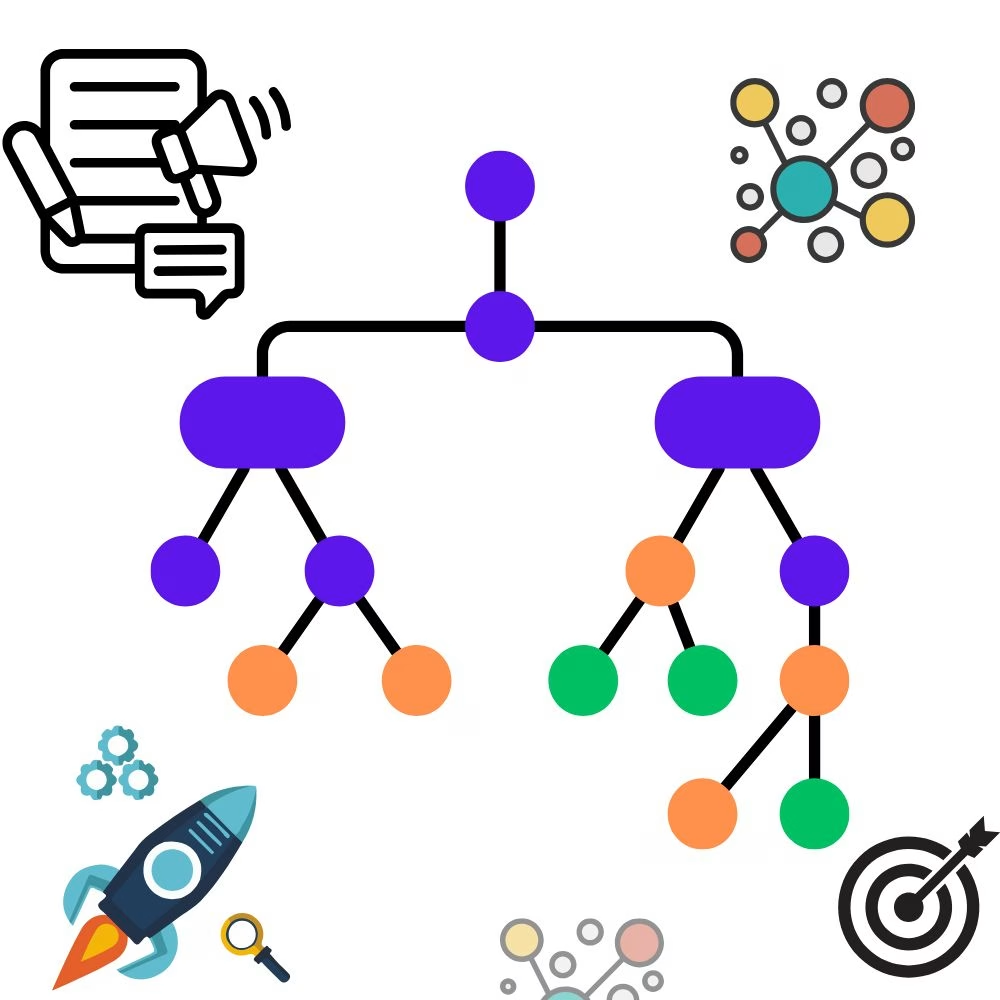
A topic cluster is a simple way to group related content around a central theme. It’s kind of like building a web; one main page sits in the middle, and several related pages link to it, like spokes on a wheel.
The central page is called the pillar. It gives a broad overview of a subject. Then, each related page, known as a cluster, dives into specific parts of that topic. For example, if the pillar page is about digital marketing or social media marketing, the clusters could cover email campaigns, SEO writing, social media, or paid ads.
What ties everything together is internal linking. The pillar links out to each cluster, and each cluster links back to the pillar. This structure helps search engines understand the relationship between the pages and gives readers a clear path to follow.
So, when someone asks, “What is a topic cluster?”, the answer is simple. It’s a content structure that organizes information in a way that’s both user-friendly and search engine-friendly.
The goal of using a topic cluster in SEO is to help both search engines and people understand how your content fits together. Instead of writing random posts, you build authority on a subject, and Google notices that.
This method works especially well for websites with growing blogs or large resource sections that need structure.
What is the Topic Cluster Model?
The topic cluster model is a strategy built around organizing your website content into related groups. It was made popular by marketing experts who noticed that search engines now care more about how topics connect than just stuffing in keywords.
Here’s how it works: Start with a pillar page, which gives a broad overview of a topic. Then, create supporting content called cluster pages that explore specific ideas within that broader topic. Each cluster links back to the pillar, and the pillar links to each cluster.
It’s a lot like a hub and spokes on a wheel. The pillar is the hub, and each cluster is a spoke. All of them work together to give a complete view of the subject.
For example, a pillar on “plant-based diets” could have clusters on recipes, protein sources, shopping tips, and benefits. Together, they build a strong network around that one idea.
Search engines love this setup. It makes your content easier to crawl, understand, and rank. More importantly, it shows that your website isn’t just touching on a topic, it’s covering it in full.
Using the topic cluster model also keeps your content focused. Instead of writing about everything, you dive deep into what matters most to your audience.
A well-organized topic cluster in SEO not only helps rankings but also guides readers through a clear path of discovery.
Benefits of Using Topic Clusters
Using a topic cluster in SEO isn’t just about organizing content; it’s a strategy that brings real results.
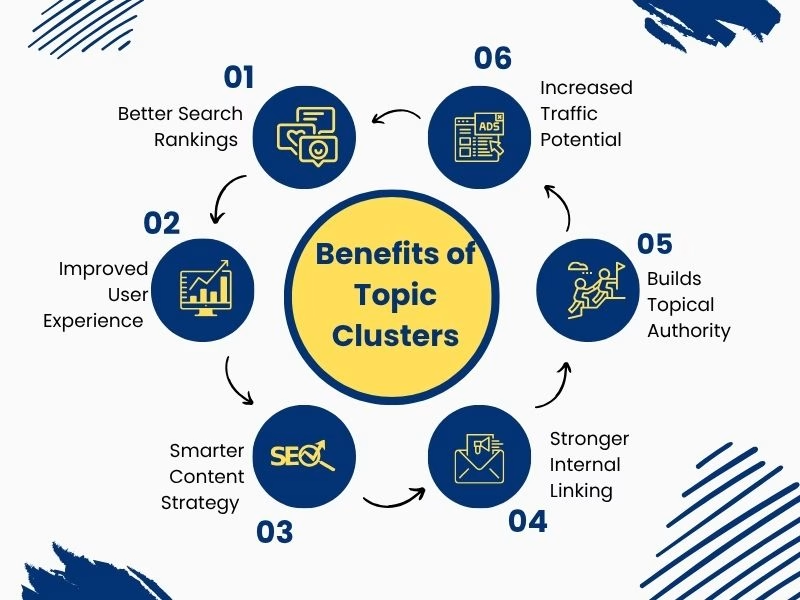
Here’s how it helps both your site and your audience:
Better Search Rankings
Search engines understand your site more clearly when related content is linked together. This makes it easier to rank for both broad and specific keywords.
Improved User Experience
Visitors can easily move between articles or blogs that build on each other. It’s smoother, less confusing, and keeps people engaged longer.
Smarter Content Strategy
With a pillar topic in place, planning cluster content becomes easier. You know exactly what to write next and how it fits into the bigger picture.
Stronger Internal Linking
Every cluster article links back to the pillar and vice versa. This passes authority between pages and boosts visibility across your content.
Builds Topical Authority
Covering a subject from all angles shows you’re an expert. Over time, search engines begin to recognize your site as a reliable source.
Increased Traffic Potential
One high-performing page can lift others in the same cluster. The whole group benefits, not just one post.
In short, a topic cluster in SEO gives your content more power, more clarity, and more reach, with less confusion and more results.
How to Create a Topic Cluster?
Building a topic cluster in SEO might sound technical, but the process is straightforward once it’s broken down. Think of it like building a house: start with a strong foundation, then add rooms that serve different purposes, all under the same roof.
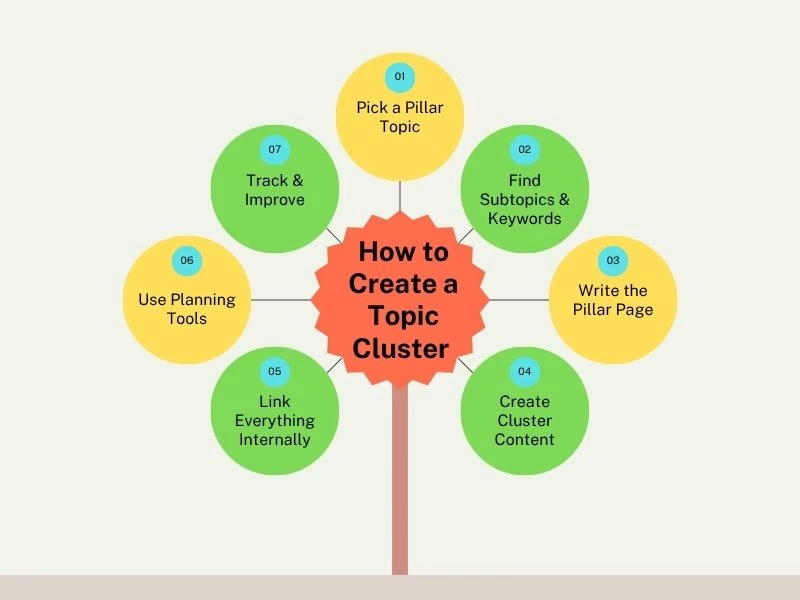
Here’s a simple step-by-step guide to creating your own topic cluster:
Pick a clear pillar topic
Choose a broad but focused subject you want to rank for. It should reflect your expertise and allow space for related content.
Example: “Digital Marketing” or “Home Decor Ideas”
Research subtopics and long-tail keywords
Use tools like Ahrefs, Ubersuggest, or Answer the Public to find popular questions and related phrases. These will form your cluster content.
Long-tail keyword tip: Instead of just “email marketing,” go for “best email marketing tools for nonprofits.”
Write the pillar page
This page should be detailed (around 2,000–3,000 words), offering a full overview of the main topic. It should link out to all the related cluster posts.
Create your cluster content
Each post should be 800–1,500 words and focus on a single angle or question.
Example: For a “Plant-Based Diet” pillar, your clusters might be “Plant-Based Grocery List,” “High-Protein Vegan Foods,” and “How to Transition to Plant-Based Eating.”
Link all content together
Internal linking is the backbone of a topic cluster model. Every cluster page should link back to the pillar page, and the pillar should link to every cluster.
Use tools for planning
Try Trello, Notion, or a spreadsheet to map out your clusters and track publishing progress. A content calendar also helps with consistency.
Monitor and refine
Use Google Search Console or SEMrush to track which pages perform best. Update underperforming pages, and expand your clusters over time.
Following these steps not only organizes your content but also strengthens your presence around key topics. A well-built topic cluster in SEO helps search engines and readers find your content faster, and it lays the groundwork for future growth using the topic cluster in SEO strategy.
Common Mistakes to Avoid
Using a topic cluster in SEO is powerful, but skipping a few key steps can weaken the results. Here’s what to avoid:
- Topics that are too broad or too narrow
Broad topics make the cluster too vague; narrow ones leave you with nothing to write about. Find a balance with enough subtopics to explore.
- Pillar content that lacks depth
The pillar should be the most authoritative page in the cluster. Aim for 2,000+ words and make sure it truly covers the subject.
- Skipping internal links
Clusters only work when pages link to one another. Missing these links can confuse both search engines and visitors.
- Overlapping keywords (keyword cannibalization)
Avoid creating multiple pages that target the same terms. Proper keyword research helps prevent your pages from competing against each other in search results.
- Writing without user intent in mind
Make sure each post clearly answers a real question or need. Google rewards pages that solve problems and offer value.
- No content update plan
Even strong clusters fade if they’re never refreshed. Review and update key pages at least twice a year.
- Not considering E-E-A-T
Google looks for Experience, Expertise, Authoritativeness, and Trust. Show your credentials, cite sources, and write with confidence.
Avoiding these common mistakes keeps your topic cluster in SEO strategy solid, future-proof, and primed for consistent traffic growth.
Conclusion
A well-planned topic cluster in SEO turns scattered blog posts into a connected content system. It helps search engines understand your website better and gives readers a clear path to follow.
Instead of guessing what to write next or fighting to rank individual posts, this strategy brings structure and purpose. It allows one strong page to support many others, making your content work harder as a group.
The real power of a topic cluster in SEO comes from consistency, choosing the right topics, linking them properly, and keeping everything fresh over time. When done right, it builds long-term visibility and trust.
For any site that aims to grow through content, this model isn’t just helpful, it’s essential.
FAQs
1. What is a topic cluster in SEO?
It’s a group of interlinked content pieces organized around a central “pillar” topic to improve search rankings.
2. Why are topic clusters important for SEO?
They enhance site structure, boost authority, and improve organic search visibility.
3. How does a topic cluster model work?
A central pillar page links to multiple related cluster pages, which also link back to the pillar.
4. What are the benefits of using topic clusters?
Better SEO performance, easier navigation, higher engagement, and stronger topical authority.
5. How can I create a topic cluster for my website?
Identify a core topic, create related subtopics, interlink them, and optimize for SEO.