


Ever started reading something so engaging you didn’t even realize it was long-form content with over 2,000 words? That’s the power of great storytelling.
That’s the magic of long-form content.
In a world of TikToks, Tweets, and 30-second reels, it might sound strange that long articles still hold power, but they do. Whether you’re a business owner, blogger, or just someone with a story to tell, mastering long-form writing is a game-changer.
Now, you might be wondering:
What is long form content? And does anyone even read long stuff anymore?
The answer is yes, and we’ll show you why.
In this guide, we’ll break everything down: from defining what qualifies as long-form to showing examples and teaching you how to write it like a pro. No boring lectures, promise.
So, grab a coffee or your favorite snack. This is going to be a fun ride through the world of content that actually keeps people scrolling.
What Is Long Form Content?
So, what is long form content?
In simple words, it’s content that goes deep into a topic. We’re talking blog posts, articles, guides, or web pages that usually go beyond 1,000 words, often hitting 1,500 to 3,000 words or more.
Unlike short social posts or quick news snippets, long form writing aims to inform, entertain, or solve a problem in a detailed way. Think of it like the difference between a quick snack and a full-course meal. Both have their place, but only one leaves you fully satisfied.
Long-form content gives readers real value; they walk away knowing something new or feeling truly helped. And from Google’s point of view?
It’s a big thumbs up. Search engines love in-depth content because it answers more questions, keeps people engaged, and builds trust.
Now that we know what it is, let’s look at how long it needs to be.
How Long Is Long-Form Content?
You might be wondering, how long is long-form content really supposed to be?
The answer can vary a bit, but generally speaking, any content over 1000 words falls into the long-form category. However, the sweet spot for many marketers and writers is around 1500 to 3000 words.
That might sound like a lot, but think about it. If you want to explain something in detail, share expert advice, or guide someone step by step, you need more than just a few paragraphs. A tweet or short post just won’t cut it.
For example, a travel blog detailing a two-week trip to Europe with tips, stories, and costs will easily cross 2000 words. And guess what?
Readers love it because it feels personal and useful.
Now that you know the length, let’s check out the types of long-form content.
Types of Long-Form Content
Long-form content comes in many shapes and sizes, not just long articles. Let’s explore some popular types.
1. In-Depth Blog Posts
These are detailed articles that cover a topic from start to finish. Think of them like storytelling or step-by-step guides. For instance, a post about everything you need to know about gardening tools could easily run over 2,000 words. They’re perfect for SEO and answering all your readers’ questions in one go.
2. White Papers
White papers are more formal and packed with facts, data, and research. Businesses use them to explain complex issues and offer solutions. Usually ranging from 2,000 to 5,000 words, they help build authority and trust, especially in B2B industries.
3. E-Books
E-books are like downloadable digital guides or mini-books. They’re often used to teach something in-depth or bundle expert advice into one helpful resource. Perfect for lead generation, they let readers learn at their own pace.
4. Case Studies
Case studies tell real-life success stories. They walk readers through a specific challenge, how it was tackled, and the results achieved. These are great for showing proof of your skills or services and building credibility.
5. Long-Form Videos and Podcasts
Yes, long form isn’t just about words. A 30-minute podcast or a 45-minute video can be just as informative. These formats allow deep dives with interviews, stories, and explanations, perfect for people who prefer listening or watching.
6. Webinars
Webinars are live or recorded sessions where you can teach, demo, or answer questions in real time. They’re highly interactive and often packed with value, making them a strong form of long-form content, especially for B2B and education sectors.
Choosing the Right Format
Every audience is different, and so are their content preferences. Whether it’s a detailed article, a downloadable e-book, or a helpful video, the key is to choose the format that delivers your message most effectively and keeps your audience engaged.
Long Form Content Examples
Long-form content comes in all shapes and sizes, and big brands are doing it really well. Let’s look at how some popular names are using different types of long-form content to educate, entertain, and inspire.
Blog Posts – HubSpot’s Ultimate Guides
HubSpot is known for its super-detailed blog posts. Their “Ultimate Guide to Content Marketing” is a perfect example. It covers everything from planning to execution, complete with stats, visuals, and examples, all in one neat, long-form package.

E-books – Shopify’s Business Guides
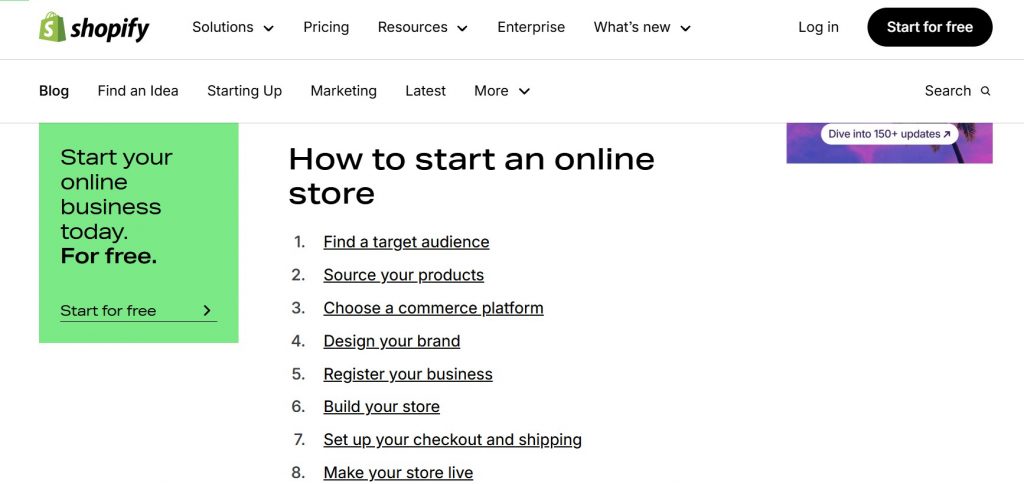
Shopify offers downloadable e-books like “How to Start an Online Store in 2025.” These are great for anyone starting a business and include step-by-step instructions, expert tips, and case studies. It’s long-form content that teaches and converts.
White Papers – IQVIA’s Industry Research
IQVIA regularly publishes white papers like “The Future of AI in Healthcare.” These are data-rich, research-driven reports meant for industry professionals. They offer in-depth insights backed by stats and case studies, ideal for B2B readers.

Podcasts and Videos – TED Talks & NPR’s Planet Money
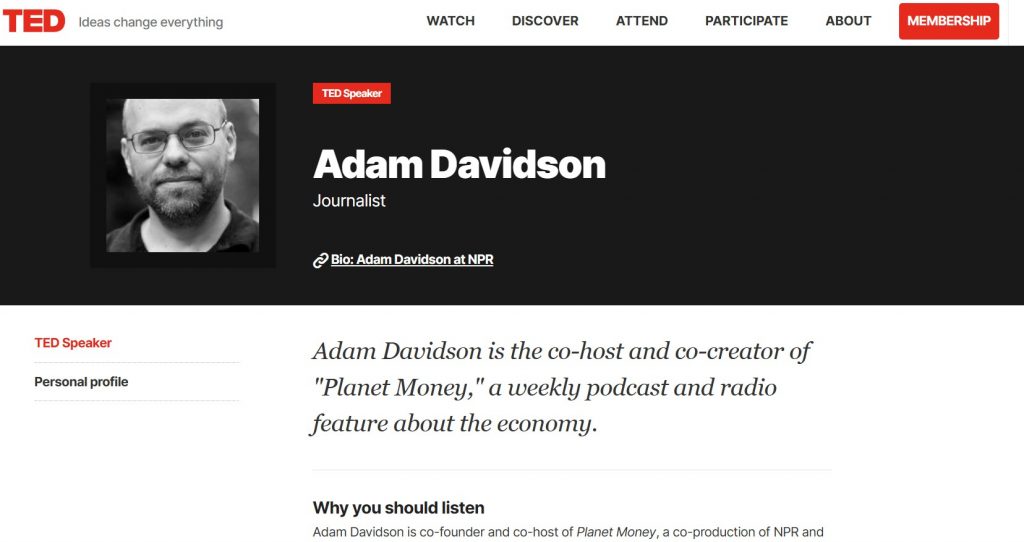
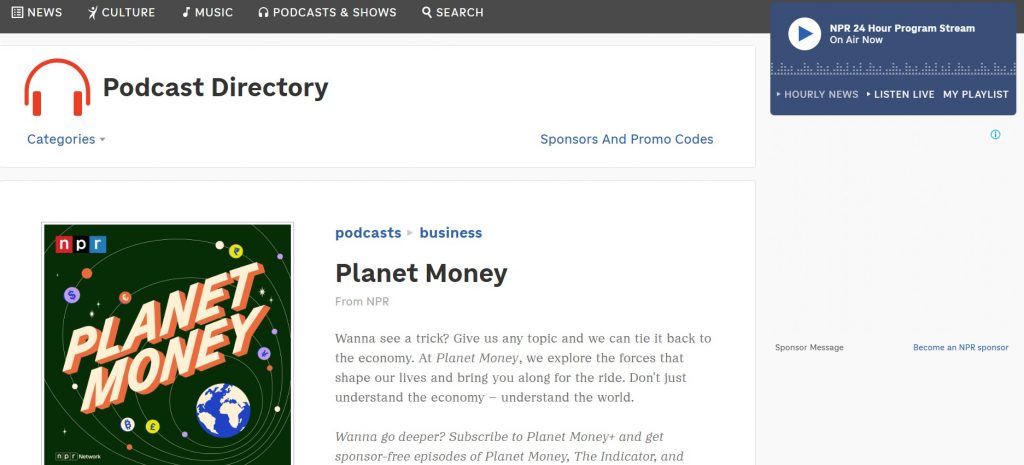
TED Talks are world-famous for their long-form videos that dive deep into ideas worth sharing. Similarly, NPR’s “Planet Money” podcast offers 30–45-minute episodes explaining economics in everyday terms. It’s educational, but fun and engaging.
Case Studies – Salesforce Success Stories
Salesforce showcases long-form case studies detailing how companies like Adidas or Spotify use their tools to grow. These stories walk through the problem, solution, and outcome, building trust while demonstrating real-world results.

Webinars – SEMrush Live Sessions
SEMrush runs webinars that teach SEO and content marketing live, often lasting an hour or more. You can ask questions, see real demos, and walk away with practical knowledge. It’s a long form, but interactive.

How to Write Long-Form Content?
Writing long-form content might sound intimidating, but with the right approach, it’s manageable and even fun!
Here’s how to get started:
Start With a Clear Goal
What do you want your readers to learn or do after reading your content? Define your goal clearly before you write.
Research Thoroughly
Long-form content needs solid information. Start with keyword research to understand what your audience is searching for, then use reputable sources, stats, and expert opinions to back up your points.
Create an Outline
Organize your ideas into sections and subheadings. This helps your writing flow and makes it easier for readers to follow.
Write in Small Chunks
Don’t try to write everything at once. Break it into manageable parts, and keep paragraphs short within three to four lines max.
Use Stories and Examples
People love stories. They make your content relatable and memorable.
Add Visuals
Images, charts, and videos to break up the text and keep readers engaged.
Edit and Proofread
After writing, take time to revise, edit, and focus on proofreading. It helps eliminate fluff, correct mistakes, and ensure your content is clear and polished.
Remember, the goal is to inform and engage, not just to hit a word count.
Long Form vs Short Form Content
Long-form and short-form content each have their unique strengths and purposes. Understanding their differences can help you choose the best style to engage your audience effectively.
| Aspect | Short Form Content | Long-Form Content |
| Length | Usually under 1,000 words | Typically, over 1,000 words |
| Purpose | Quick updates, brief info | In-depth exploration, detailed info |
| Engagement | Fast to read, quick attention grabber | Keeps readers engaged longer |
| SEO Benefits | Limited | Better for SEO with more keywords |
| Detail Level | Surface-level, concise | Thorough, detailed |
| Examples | Tweets, social media posts, and short blogs | Guides, how-to articles, case studies |
| Reader Commitment | Low (a few seconds to a minute) | High (several minutes or more) |
| Best Use | Announcements, quick tips | Educational content, storytelling |
Challenges of Long-Form Content
- Time-consuming: Writing long-form content takes more time for research, planning, and drafting compared to short pieces.
- Keeping readers engaged: It can be tough to hold the reader’s attention throughout the entire article.
- Needs good structure: Without clear headings and smooth transitions, long content can feel confusing or overwhelming.
- More editing required: Longer articles need extra care to catch errors and improve clarity.
- Can feel overwhelming: The amount of information to cover might intimidate new writers.
Despite these challenges, long-form content often delivers great results when done well.
Wrapping Up: Is Long-Form Content Worth It?
Absolutely! Long-form content might take more time and effort, but the payoff is big. It helps you build authority, connect with your audience, and boost your visibility online.
Whether you’re writing a deep-dive blog, crafting an e-book, or recording a long podcast episode, you’re giving your audience real value. And in a world full of quick scrolls and short posts, sometimes going long is what truly stands out.
So next time you sit down to create content, think big. With the right approach, long form writing can do wonders for your brand, your traffic, and your readers.
Ready to start writing your long-form masterpiece?
Go for it, your audience is waiting!
FAQs
1. What is long form content?
Long form content is detailed content usually over 1,000 words that provides in-depth information on a topic.
2. What are the types of long form content?
Types include comprehensive blog posts, guides, whitepapers, eBooks, case studies, and detailed tutorials.
3. What are some examples of long form content?
Examples include ultimate guides, research articles, product comparison posts, and industry reports.
4. Why is long form content important for SEO?
It improves search rankings, increases dwell time, earns backlinks, and boosts user engagement.
5. How can I write effective long form content?
Research thoroughly, structure with headings, use visuals, provide value, and optimize for SEO.